
An Era of Reading My Body in Numbers
“Hmm? I only walked 300 steps today. I should get off one subway stop earlier and walk.”
My name is Minjun Kim, an ordinary office worker approaching forty. I always have a health assistant with me: the smartwatch strapped to my left wrist. This small device monitors and informs me 24/7 about my heart rate, sleep patterns, step count, and even stress levels. What used to be vague feelings of fatigue are now precisely diagnosed as “I lacked an hour of deep sleep last night.” At first, the idea of perfectly understanding and controlling my body through numbers gave me an exhilarating sense of liberation.
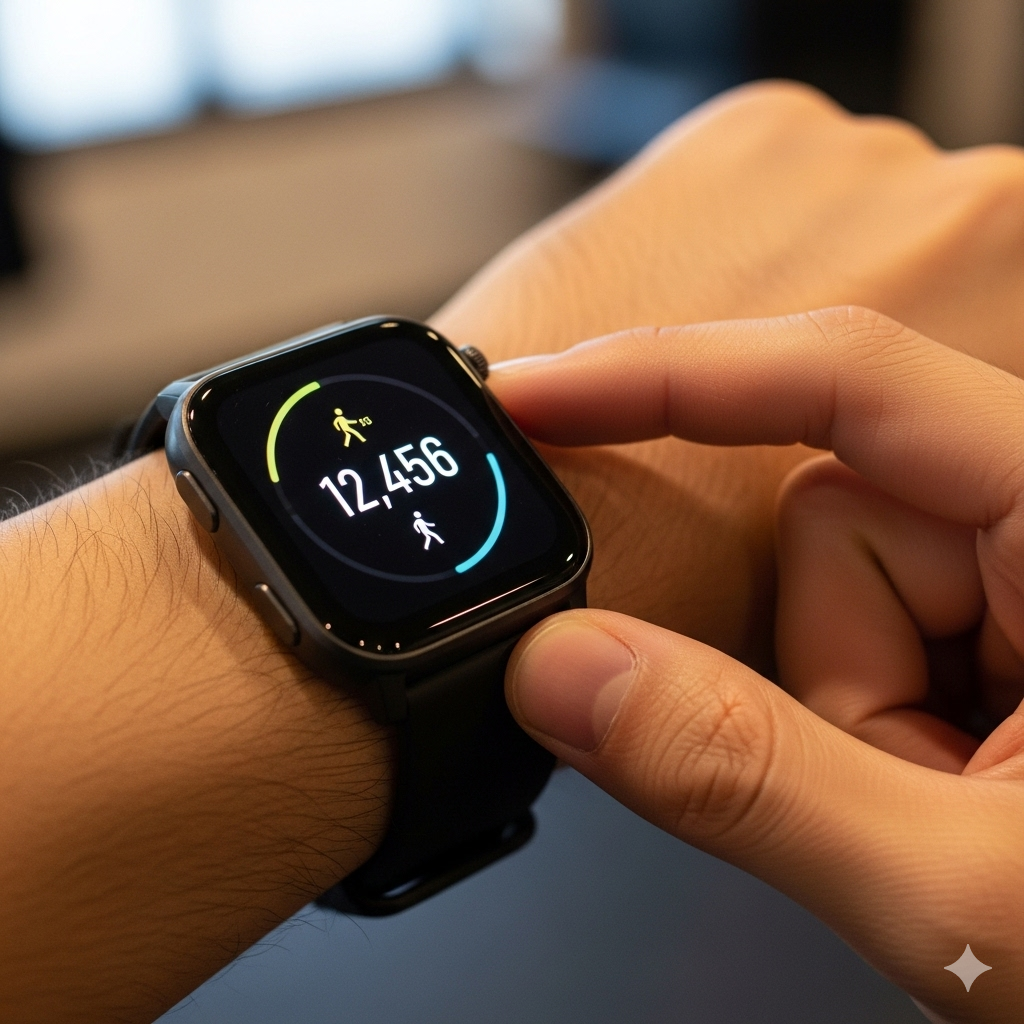
Chapter 1: Meeting the ‘Second Body’
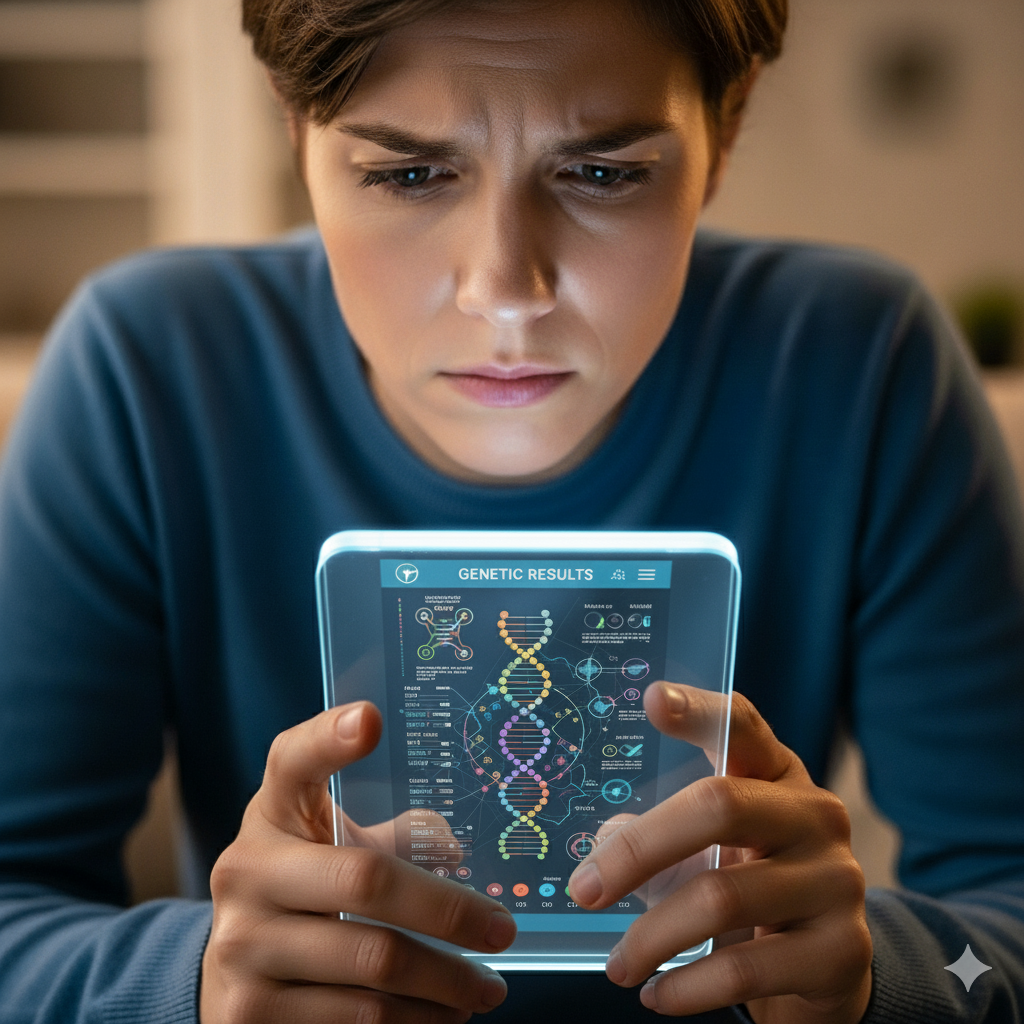
The real change began after I took a genetic test. I was curious about the idea of peeking into my body’s blueprint with just a drop of saliva. A few days later, a detailed report full of data arrived on my smartphone.
- My genetic traits:
- Slow caffeine metabolism (no afternoon coffee!)
- Alcohol metabolism gene variant (why my face flushes when I drink)
- Aerobic exercise is more effective than strength training
- 1.5 times higher than average risk for certain cancers
I nodded along with the first points with interest, but the last one made my heart drop. It felt like a shadow of a disease that hasn’t occurred yet—and might never occur—was looming over my body. Since that day, I could no longer see my body the same way. An invisible yet data-based ‘second body’ began to take root inside me.
Chapter 2: Becoming a Slave to Data
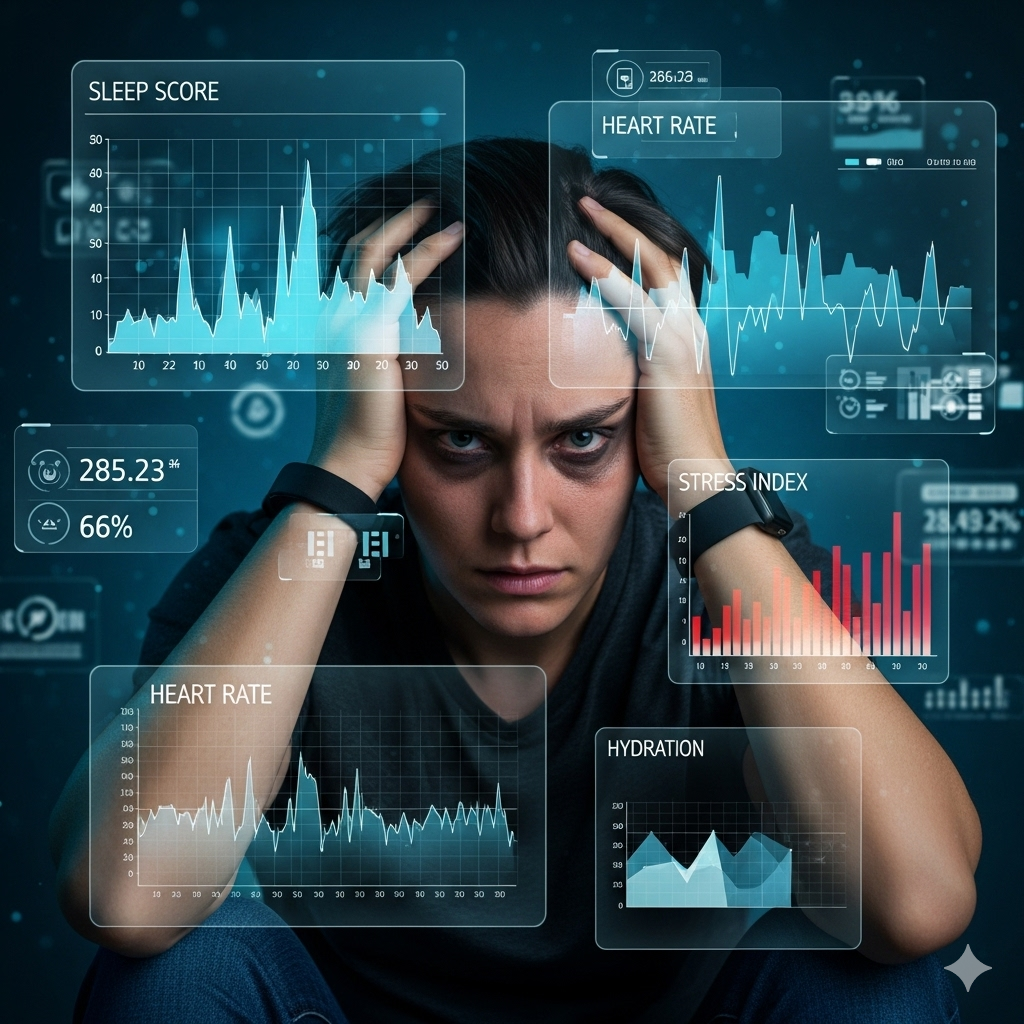
The ‘second body’ was a very diligent advisor. I changed my diet according to my genetic information and tried to meet the exercise goals recommended by my smartwatch. Every morning, the first thing I checked was my ‘sleep score,’ and if it was below 80, I couldn’t shake off a lingering unease all day.
- The start of health obsession: I felt pressured to maintain “good numbers.” Even at fun drinking gatherings with friends, I couldn’t fully enjoy myself thinking about my alcohol metabolism gene, and after company dinners, I forced myself to move to meet the ‘recommended activity calories.’
- Trusting data over senses: On days when my body felt refreshed but my sleep score was low, I felt more tired. Even when I wasn’t feeling well, I pushed myself to exercise because my heart rate was stable. Before I knew it, I trusted the ‘second body’ data more than the actual signals my body was sending.
What started as efforts to become healthier turned into new stress that tightened around me. Life’s pleasures became ‘variables to manage,’ and my body became a project to be constantly ‘optimized.’
Chapter 3: The New Boundary Between ‘Normal’ and ‘Abnormal’
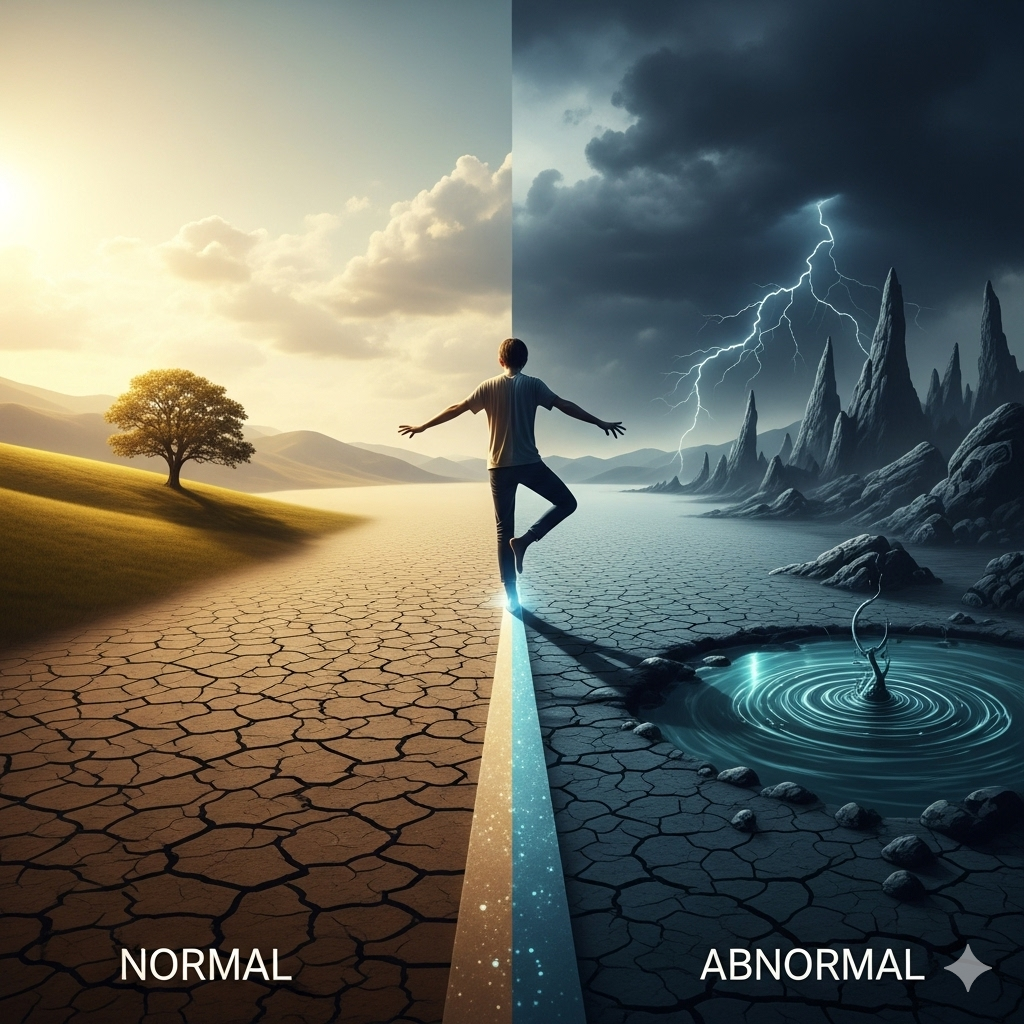
The bigger problem was that the standard of ‘normal’ had changed. Before, I was considered a ‘healthy person’ until a doctor diagnosed otherwise. But now it’s different. With my genetic test showing I belong to a risk group for certain diseases, I can be classified as an ‘abnormal’ pre-patient even without any symptoms.
Advertisement
“Not sick yet, but potentially sick.”
On this ambiguous borderline, I was constantly tormented by anxiety. Data took away my ‘peace of mind in being healthy.’ I started visiting hospitals more frequently out of worry and became sensitive to minor bodily changes. It felt like technology wasn’t freeing me from disease but rather trapping me in its shadow.
Are We the Masters of Our Data?
Recently, I put my smartwatch deep in a drawer. Of course, the benefits data provides are undeniable. But I realized it must not become the master of my life.
We now live with two bodies simultaneously: the first made of flesh and blood, and the second composed of data. This ‘second body’ offers amazing insights for healthier living but also constantly monitors, controls, and generates new anxieties.
Technology asks us: Are you living as the master of your data, or as a slave to it? The answer to this question ultimately lies in each of our hands.