
Cyber Threats: The Prelude to an Invisible War
We live in an era of invisible warfare. There are no gunshots or smoke, yet its destructive power rivals that of real-world wars. The weapons of this war are coded commands, and the battlefield is the internet we access daily—the digital world. Today, let’s take a closer look at the reality of this invisible war and discuss what our shield to protect the future should look like.

Our Daily Lives as the Frontline: In-depth Analysis of Real Cases
How cyber threats, once dismissed as mere computer viruses, can fundamentally shake our lives will be examined through real incidents that brought the world to a halt, highlighting their severity from multiple angles.
Case #1: The Hostage Crisis That Stopped the World, WannaCry
In May 2017, this attack was more than just hacking. This ransomware infected computers in hospitals, companies, and governments across over 150 countries simultaneously, serving as a massive warning about the vulnerability of digital infrastructure worldwide.
- From Microscopic Shock to Macroscopic Chaos: Initially, it was a problem of locked files on personal computers, but it quickly escalated to canceled surgeries in hospitals, halted factory production, and paralyzed logistics systems. It demonstrated how the damage to one individual can spread to immobilize entire societies. This incident proved that invisible code can threaten human lives and damage national economies, showing that the digital and real worlds are inseparable.
Case #2: Severing the Arteries of the Real World, Colonial Pipeline
In 2021 in the U.S., hackers stopped the pipeline system responsible for 45% of the East Coast’s oil supply. This shocking case showed that cyberattacks can directly paralyze our physical lives.
- Disproportionate Cause and Effect: Remarkably, this massive disruption started with a single leaked password. Such a seemingly trivial cause triggered a butterfly effect leading to gas station shortages, flight cancellations, and emergency declarations. This clearly shows that vulnerabilities in the digital world are no longer virtual issues but are directly linked to the survival of our social infrastructure.
Case #3: Destroying the Foundation of Trust, SolarWinds
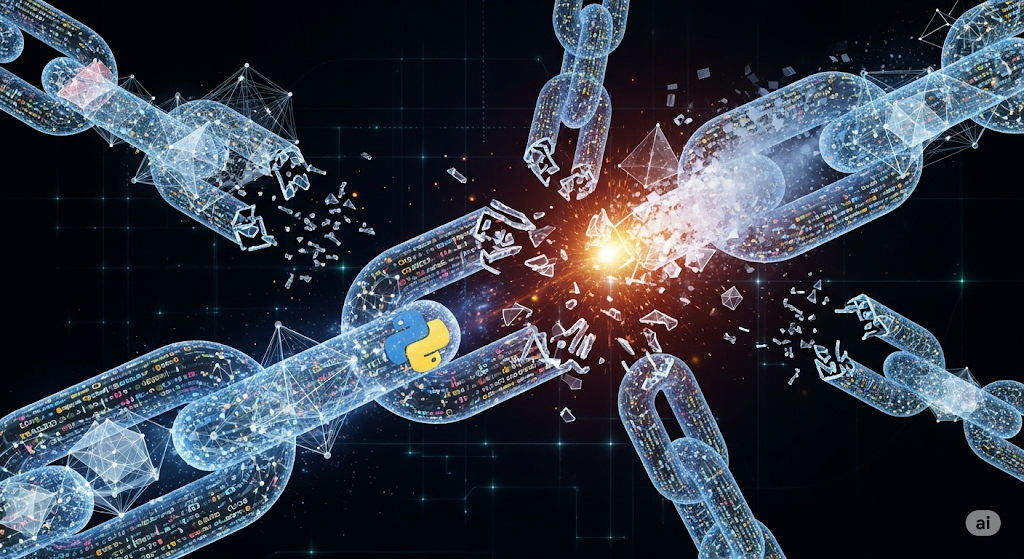
Revealed in 2020, this incident demonstrated the most cunning and frightening form of attack. Hackers infiltrated the software supply chain itself. They embedded malicious code into legitimate update programs we trust and use, penetrating systems of U.S. government agencies and major companies worldwide.
- Past Intrusions, Present Threats, Future Distrust: This attack was carried out covertly over months or even years. By the time it was discovered, vast amounts of information had already been leaked. It shook the foundation of the digital ecosystem, which operates on ’trust.’ From now on, we must live with deep distrust that no software or update can be 100% trusted.
Shields for the Future: Nine Concrete Countermeasures
How should we confront these enormous and sophisticated threats? Traditional methods can no longer guarantee safety. We now need a robust shield built on new ideas, new technologies, and new commitments.
# Building Technical Defense Lines
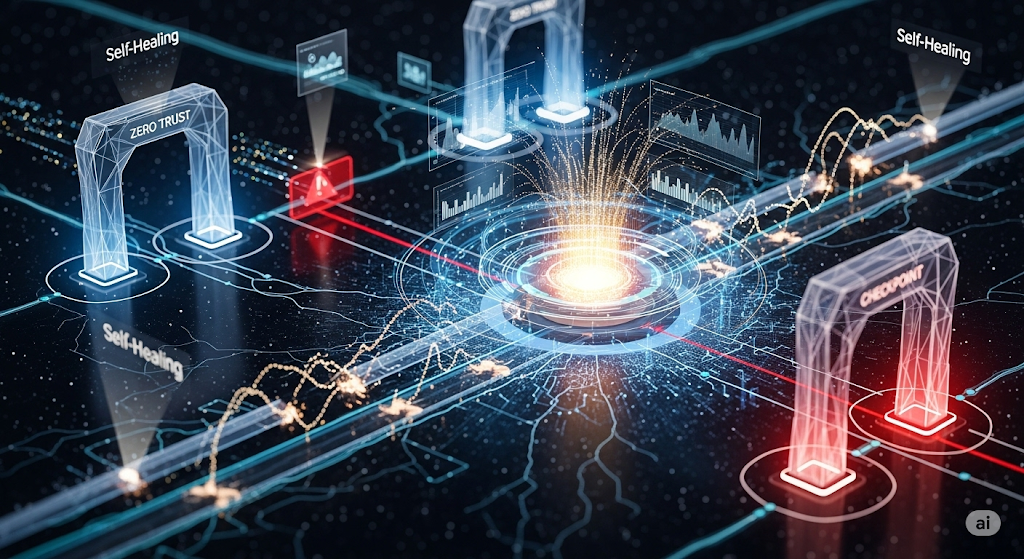
- AI-Based Predictive Defense Systems: Responding after an attack is too late. Artificial intelligence must analyze vast amounts of data in real time to learn attack patterns in advance and block threats before they occur. This goes beyond simple firewalls, establishing intelligent watchtowers that autonomously detect threats.
- Full Adoption of ‘Zero Trust’ Architecture: The outdated belief that “internal networks are safe” must be discarded. Under the principle of “never trust, always verify,” every user, device, and request accessing the system must be continuously verified and granted minimal privileges. This is like locking every door inside a building, not just guarding the main gate.
- Self-Healing Networks, ‘Digital Immune Systems’: Like the human immune system, networks must detect anomalies, isolate infected parts, and heal and recover autonomously. The key is to develop systems capable of self-defense and restoration without external intervention.
# Strengthening Social and Policy Safety Nets
Advertisement
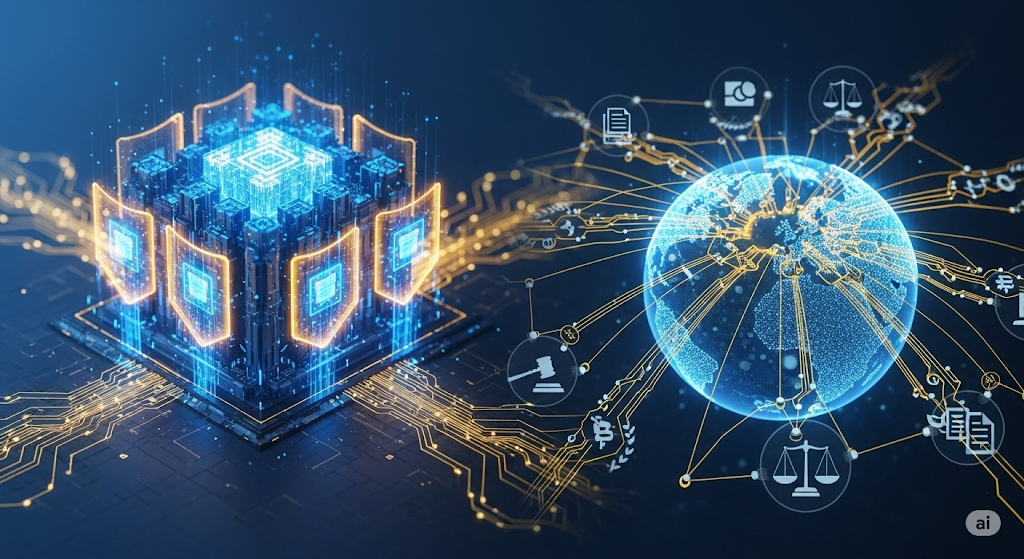
- Designing ‘Cyber Resilience’ for Critical Infrastructure: Beyond merely blocking attacks, focus must shift to resilience—ensuring core functions continue and recover quickly even under attack. Critical infrastructure such as power, water, and transportation must be designed assuming worst-case scenarios.
- Establishing a Global Threat Intelligence Alliance: Cyber threats know no borders. A strong international cooperative body is needed to share new threat information discovered by countries or companies in real time and respond jointly. We must build a “defenders’ alliance” faster and closer than hackers’ networks.
- Legislation for Secure Software Supply Chains: To know what components are in the software we use, submission of a Software Bill of Materials (SBOM) should be mandatory. Security must be strengthened from the development stage, legally enhancing transparency and safety across the entire software supply chain.
# Our Collective Role: The Human Firewall
- Cybersecurity Accountability at the Board Level: Cybersecurity must be elevated from an IT department task to a core management agenda directly linked to corporate survival. Boards must oversee and take responsibility for security strategies.
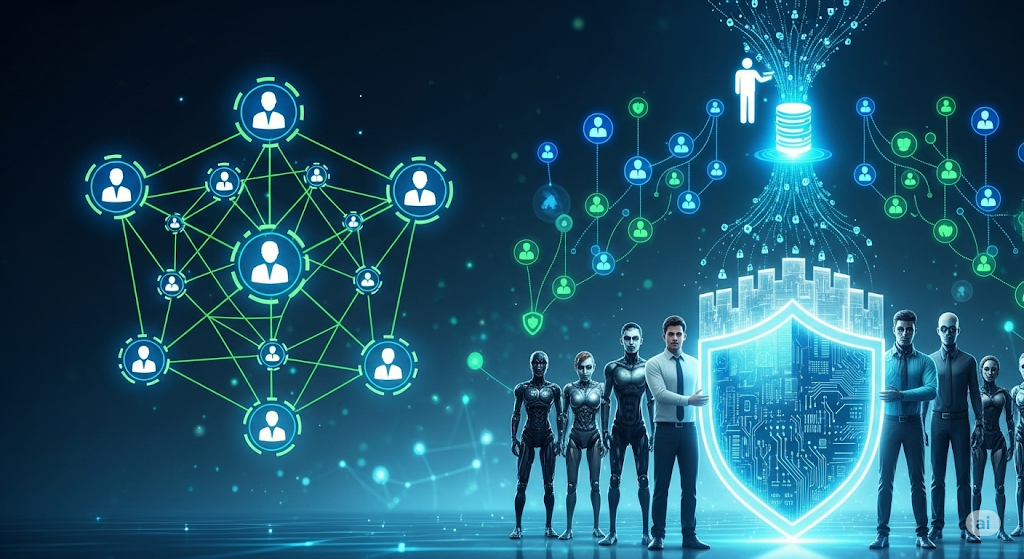
- Building a Decentralized ‘Digital Identity’ System: The current method of centrally storing personal data creates huge hacking targets. Using new technologies like blockchain, we must move toward a Self-Sovereign Identity era where individuals control and manage their own information.
- Continuous Security Education for ‘Digital Citizens’: Ultimately, the strongest shield is people. Beyond one-time training, continuous and practical education based on the latest threat cases is essential so all members of society can become human firewalls protecting themselves.
We Are All Veterans of the Invisible War

Cybersecurity is no longer a choice but a matter of survival. It has long surpassed the realm of being entrusted solely to technical experts. As today’s discussion shows, invisible attacks target our most precious values: life, safety, and social trust.
Creating new shields cannot be achieved by technological advances alone. Only when we all recognize the seriousness of this invisible war and fulfill our roles as ‘digital citizens’ in our respective places can we truly protect a safe and trustworthy future.