
The 500-Year Longing Whispered by Shipwrecks: The Epic of Ancestors Who Tried to Cross Anheungnyang
Overview
- Understand why Goryeo and Joseon were obsessed with building a canal and the urgent reasons behind it.
- Learn historical lessons from the failure of the Gulpo Canal and the success of the Anmyeondo Canal.
- Gain insight into how past canal debates connect to today’s large-scale national projects.
The Whisper of the Shipwreck Opens the Door to History
In 2007, a 13th-century Goryeo cargo tag, a mokgan (wooden tablet), discovered off the coast of Taean, triggered a floodgate of historical inquiry. This small artifact raised the question, “Why did this ship sink here?” The answer led to the 500-year-old national project of constructing the Gulpo Canal during the Goryeo and Joseon dynasties. It was a grand dream to secure the vital grain tax transport route by taming one of the most dangerous seas on the Korean Peninsula.
Historical records dryly note that “dozens of grain ships sank,” but the mokgan found on the Taean ship vividly reveals the names of senders and recipients along with specific goods like “rice harvested in Naju” and “abalone paste sent from Haenam.” This tiny relic fills the gaps in official records, restoring forgotten human tragedies and lives.
The Deadly Temptation of Anheungnyang’s Tearful Sea
At the heart of the story lies the sea route winding around the Taean Peninsula, Anheungnyang (安興梁). Known originally as ‘Nanhaengnyang’ (難行梁, difficult passage), this place was fraught with unpredictable currents, reefs, and storms. Sailors renamed it Anheungnyang, meaning “peaceful and prosperous,” hoping to ward off misfortune, but their wishes could not calm the sea’s fury.
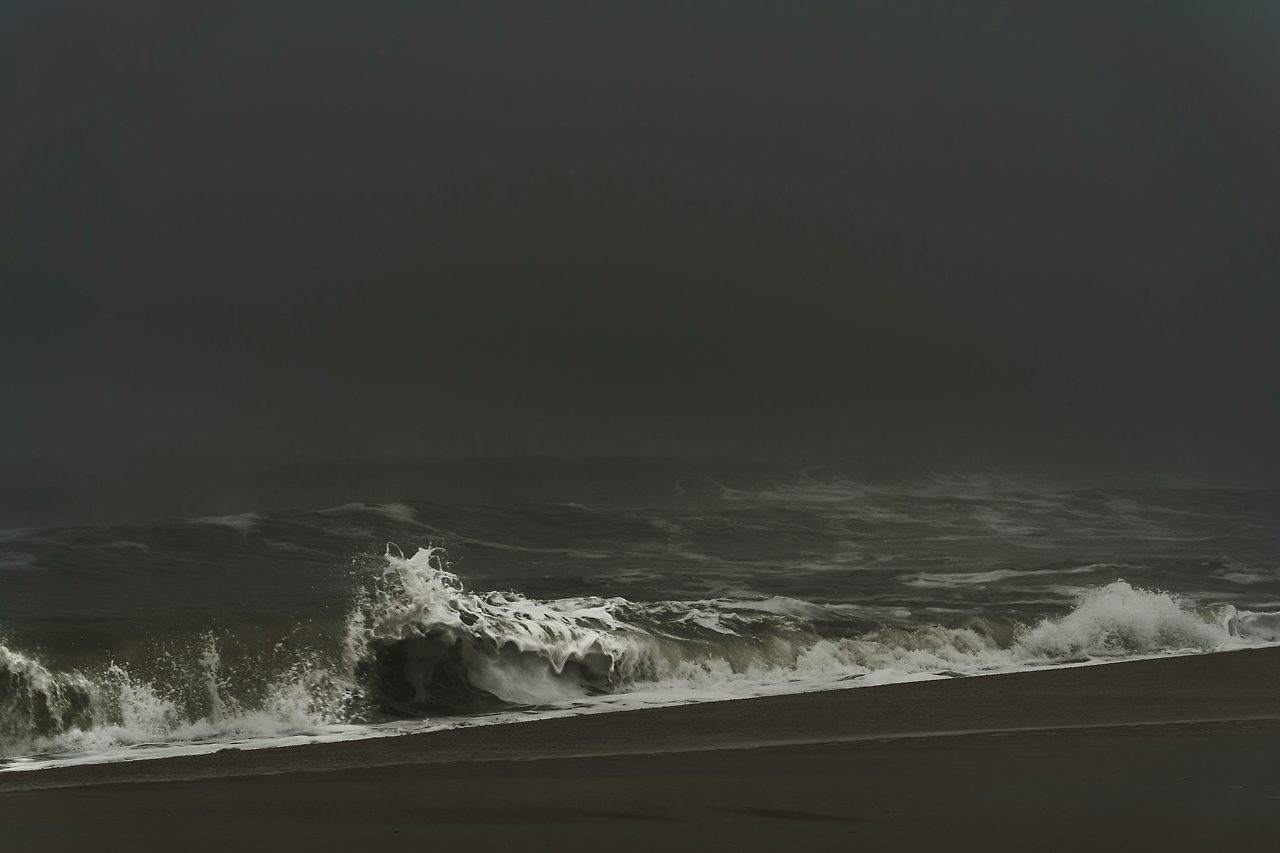
Repeated Tragedies, National Fate at Stake
Anheungnyang was known as the “graveyard of shipwrecks in the West Sea,” the stage for countless tragedies. Losing dozens of ships and tens of thousands of sacks of grain in a single storm was a fatal blow to the national treasury, potentially paralyzing defense and administration, posing a serious security threat.
Table 1: Major Grain Transport Shipwrecks at Anheungnyang
| Period / Reign | Number of Ships Sunk | Casualties | Grain Lost (Sacks) |
|---|---|---|---|
| 26th Year of Goryeo King Gojong (1239) | About 40 ships | - | 16,000 sacks |
| 3rd Year of Joseon King Taejong (1403) | 34 ships | About 1,000 people | 10,000 sacks |
| 14th Year of Joseon King Taejong (1414) | 66 ships | About 200 people | 5,800 sacks |
| Joseon Taejo to Sejo (1392–1455) | About 200 ships | - | - |
The place name “Ssal-sseogeunyeo” (literally “rotted rice bay”), where rice spilled from ships hitting reefs rotted and turned white, reflects the grim reality of the time. From this desperation, the grand dream of the Gulpo Canal began to take root.
500 Years of the Gulpo Canal: A Record of Great Failure
Ultimately, humans decided to cut through the land to avoid the sea. The Gulpo Canal project, started in 1134 during Goryeo King Injong’s reign, was a national aspiration that lasted over 500 years into the Joseon dynasty. It aimed to bypass the dangerous Anheungnyang by digging through the narrowest part of the Taean Peninsula.
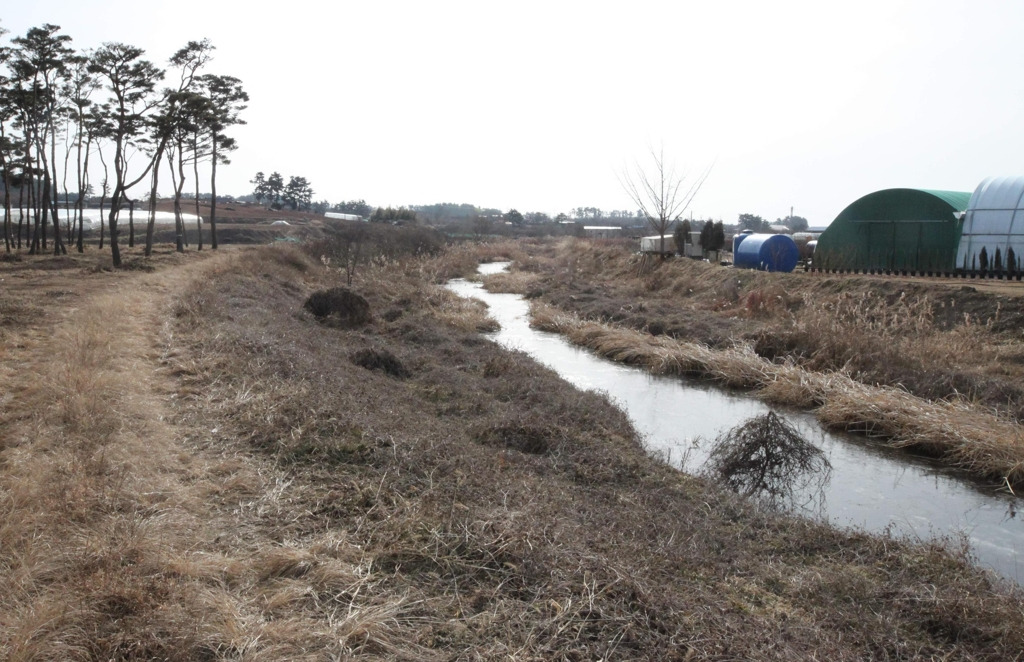
The canal traces remaining today on the border of Taean County and Seosan City testify to the grueling labor of that era.
Advertisement
Confronting the Limits of Technology and Philosophy
Despite pouring vast manpower and resources, the project repeatedly failed against massive granite bedrock. The solid rock, impossible to break with just pickaxes and shovels, symbolized the clear limits of pre-modern technology. Moreover, canal construction became a test of Confucian governance philosophy. The court fiercely debated whether mobilizing the people to alter nature was appropriate for royal governance. Ultimately, what blocked the Gulpo Canal was not just rock but a massive wall of technological limits and political-philosophical dilemmas.
Underwater Time Capsule: Secrets of the Mado Shipwrecks
While the Gulpo Canal project on land faced repeated setbacks, a time capsule of history lay dormant underwater. Several shipwrecks discovered off Mado Island in Taean vividly reveal the economy and lifestyle of the time.
- Mado Shipwreck No. 1 (circa 1208): Mokgan tablets revealed the detailed operation of the grain transport system.
- Mado Shipwreck No. 2 (before 1213): Bamboo slips showed that state grain transport and luxury goods trade among the elite coexisted, revealing a ‘mixed economy’ absent from official histories.
- Mado Shipwreck No. 3 (circa 1265–1268): Reflected the urgent era of Mongol invasions and supply shipments to Ganghwa Island.
- Mado Shipwreck No. 4 (early 15th century): Proved that Anheungnyang remained dangerous even in early Joseon.
Fish bones and organ stones found on these ships offer a glimpse into the harsh lives of sailors on rough seas. The Mado shipwrecks serve as a ‘Rosetta Stone’ for decoding Goryeo-era economy.
Comparison: Grand Discourse vs. Local Wisdom
The history of the Gulpo Canal presents an intriguing contrast in leadership and problem-solving approaches.
| Category | Gulpo Canal (Goryeo–Joseon) | Anmyeondo Canal (Joseon Injo Era) |
|---|---|---|
| Leading Forces | King, central aristocrats/bureaucrats | Local officials (Bang Gyeongjang), Chungcheong governor (Kim Yuk) |
| Approach | Grand, symbolic epic | Practical, realistic alternative |
| Outcome | Repeated failure over 500 years | Success (birth of Anmyeondo) |
| Limitations | Technological and philosophical barriers | Did not fully eliminate Anheungnyang’s fundamental threat |
The top-down approach of central elites chasing grand ideals failed, while the bottom-up ideas of lower-level officials familiar with local geography succeeded. This is a powerful historical lesson on the importance of leadership that listens to voices from the field.
The Never-Ending Debate: The Canal Was the King’s Dilemma
Canal construction was not just civil engineering but a fierce political drama where state governance philosophies clashed. From King Taejong to King Jeongjo, rulers continuously wrestled with canal issues.
- Proponents (Ha Ryun, Kim Yuk, etc.): Represented an ‘active state view’ advocating for aggressive modification and control of nature for economic and strategic benefits.
- Opponents (Yu Yang, etc.): Advocated a ‘harmonious agrarian state view’ emphasizing the ruler’s virtue in not opposing nature’s order and protecting the people’s suffering.
King Jeongjo’s challenge to his ministers to propose solutions to this chronic problem shows how important the canal debate remained into late Joseon. The king’s decision was not merely an infrastructure choice but a declaration of his governance philosophy. What decision would you have made at that time?
Conclusion
The 800-year challenge toward the Gulpo Canal by Goryeo and Joseon speaks volumes. Remarkably, this history repeated itself in 21st-century South Korea with debates over the ‘Korean Peninsula Grand Canal’ and the ‘Four Major Rivers Project.’ The sharp warning that failure to learn from history leads to repeated mistakes resonates deeply.
Key Summary:
- Urgent Necessity: The perilous Anheungnyang threatened the national economy, making canal construction an essential task.
- Great Failure: Despite 500 years of attempts, the Gulpo Canal remained unfinished due to technological and philosophical limits, leaving deep scars.
- Living History: Past canal debates reveal tensions between development and preservation, ideals and reality, offering profound lessons today.
The past never remains just the past; it continuously reflects the present and questions the future. Through this article, we hope to remember the history of the Gulpo Canal and deepen reflection on the choices we face today.
Advertisement
References
- Taean Underwater Cultural Heritage - Encyclopedia of Korean Culture Link
- Taean Mado Shipwrecks - Our History Net Link
- [Finding Paths in History by Shin Byung-ju]⑥ Why Waterway Construction on Taean Peninsula in Joseon? - Segye Ilbo Link
- Anheungnyang Canal, Traces Left by Ancestors Link
- Cultural Heritage Administration | National Maritime Cultural Heritage Research Institute | Underwater Excavation | Mado No.1 Shipwreck Excavation Site Link
- Taean Mado, 800-Year-Old Time Capsule: First Discovery of Goryeo Bamboo Slips! - City Journal Link
- Study on Characteristics of Goryeo Cargo Wooden Tags - Korea Science Link
- Taean Mado No.2 Shipwreck Underwater Excavation - National Maritime Heritage Research Institute Link
- Why Anmyeondo Became an Island… Joseon’s First Canal Construction - Atlas News Link
- Before the Canal, Anmyeondo Was Originally Land - OhmyNews Link
- Review of Place Names Related to Anheungnyang and Gulpo Canal Ruins - RISS Link
- [Humanities Travel Walking the Path of History 25] Joseon’s Unfinished Canal - Baekse Sidae Link
- [Small History That Changed the World] Construction of Gulpo Canal in Taean, West Sea during Goryeo… Over 500 Years of Construction but Failed - Premium Chosun Link
- Gulpo Canal - Wikipedia Link
- [Korean Riverbank Paths | Taean Gulpo Canal] The Unfinished River, a Thousand-Year Dream Frozen in Garorim Bay - Senior Chosun Link
- Maritime Cultural Heritage Link
- Canal Debate in Joseon Taejong Era - OhmyNews Link
- Origin of Gulpo Stream… In Goryeo and Joseon, Gulpo Means ‘To Dig a River’ Link
- Four Major Rivers Restoration Project - Wikipedia Link
- Korean Peninsula Grand Canal - Wikipedia Link