
Hello everyone! Today, I want to share an interesting story hidden behind the ‘HACCP’ mark we often see when shopping at the supermarket. Did you know this mark actually started far away in space? Like a movie, let’s follow the journey of HACCP, born to protect astronauts’ safety, and how it became a reliable guardian of our dining tables.
1. A Promise Born from a Dream Toward the Stars: HACCP
Back in the 1960s, during the intense space race between the US and the Soviet Union, NASA was pushing forward the ‘Apollo Program’ to send humans to the moon. But scientists faced a big challenge: “What should astronauts eat?”
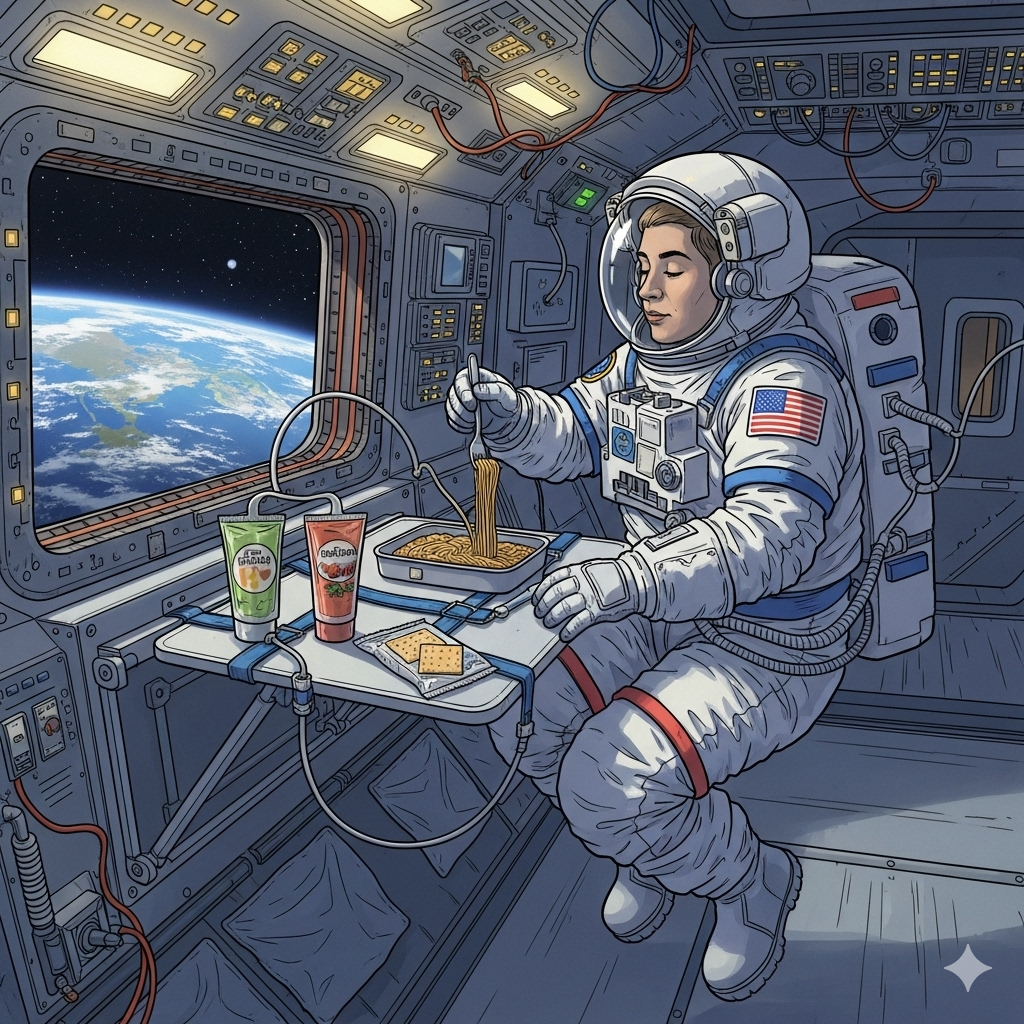
In the unique environment of a spacecraft, even a tiny foodborne bacterium could have fatal consequences. If an astronaut got sick, the mission would immediately fail. So NASA teamed up with Pillsbury to start a special project to create “100% safe food.”
Simply inspecting finished products as before was not enough. They completely flipped their thinking. “What if we identify potential problems in advance and prevent them from occurring from the start?” This was the birth of HACCP, the Hazard Analysis and Critical Control Point system. It was an innovative system that predicted all possible hazards from raw materials through manufacturing, processing, cooking, and distribution, and managed them intensively.
2. The Seed of Safety Spreading to the Private Sector
Initially treated like a military secret, HACCP was first revealed to the public in 1971 at a food protection conference. Soon after, the US Food and Drug Administration (FDA) adopted this method for hygiene management of low-acid canned foods, and HACCP no longer remained confined to space.
A decisive event that spread HACCP worldwide occurred in 1993 when the Codex Alimentarius Commission adopted HACCP as the “global standard for food hygiene management.” From then on, HACCP was adapted and developed according to each country’s circumstances and became a “global standard” that food companies worldwide eagerly adopted. It was no longer a special technology but a natural promise to produce safe food.

3. Efforts to Protect Korea’s Dining Tables
When did HACCP come to Korea? Its history began in 1995 when HACCP regulations were first specified in the Food Sanitation Act. Then, in 1996, the Korean-style HACCP system was officially introduced.
However, the path was not always smooth. Especially in 2004, the “Defective Dumpling Scandal” shocked the nation and raised public awareness about food safety more than ever. This incident prompted the government to gradually expand the mandatory application of HACCP. Starting with frequently consumed foods like fish cakes, frozen seafood, and kimchi, now many food companies must obtain HACCP certification based on their sales and number of employees.
Advertisement
Thanks to these efforts, now when we see the HACCP mark, we can feel assured, thinking, “Ah, this is safe to eat!”
4. A Smart Promise Toward the Future: Smart HACCP
HACCP continues to evolve. Especially in the era of the Fourth Industrial Revolution, ‘Smart HACCP’ combined with Internet of Things (IoT) technology is opening a new future.
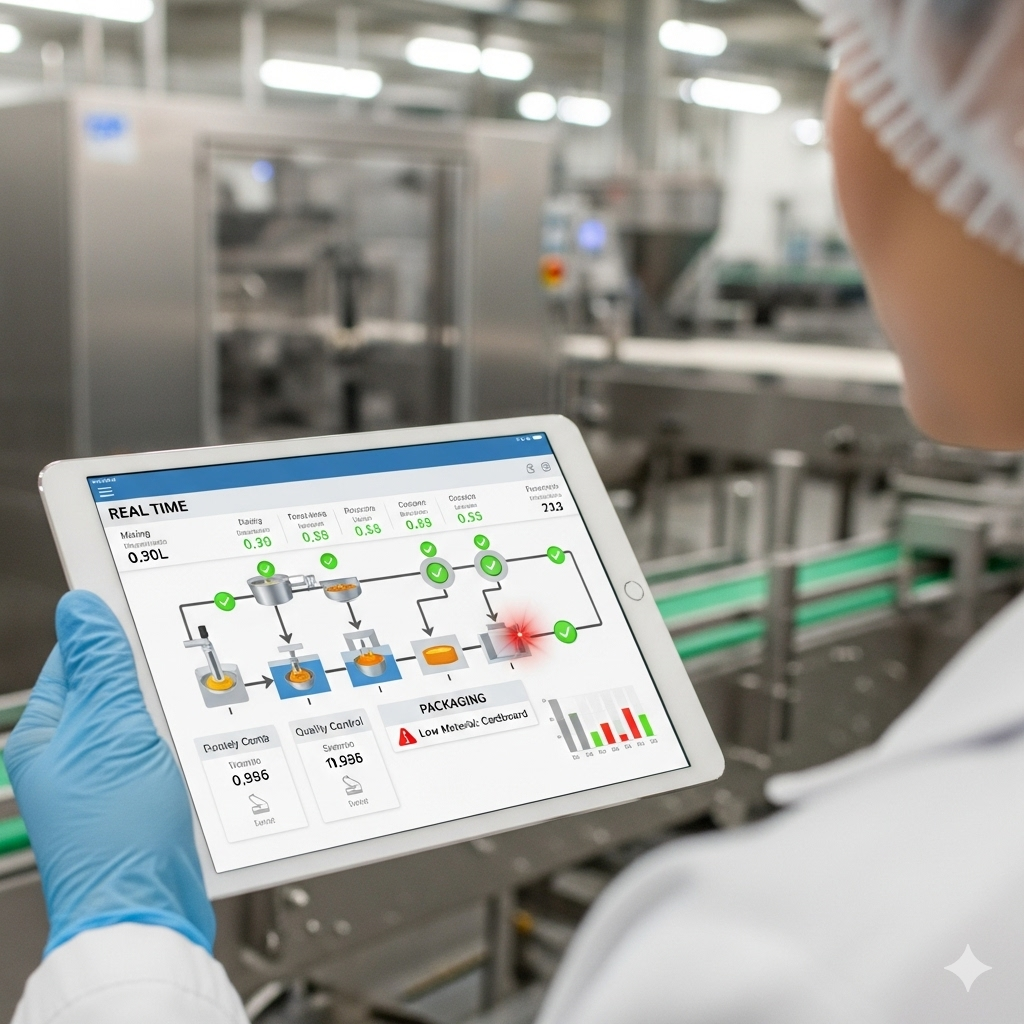
In the past, important information like temperature, time, and hygiene status had to be recorded and managed manually. Now, various sensors and machines automatically record and manage these data in real time. If a problem occurs anywhere, the system immediately alerts, enabling much faster and more accurate responses. This reduces human error and allows scientific, data-driven management.
Thus, HACCP, which began in the extreme environment of space, has now met advanced technology and grown into a reliable partner that firmly protects the safety of our dining tables. Next time you see the HACCP mark at the supermarket, why not take a moment to recall the countless efforts and history behind it?