
Exploring the greatest crisis faced by Intel, once the giant dominating the semiconductor market, and its bold gamble for survival.
- Three key causes behind Intel’s biggest crisis since its founding
- How AMD, Apple, and NVIDIA threatened Intel’s throne
- Everything about Intel’s survival strategy ‘IDM 2.0’ and its uncertain future
Cracks in an Empire Built on Sand
Remember the era when a single ‘Intel Inside’ sticker guaranteed a computer’s reliability? The name Intel was synonymous with semiconductor technology. But in 2024, a 60% stock plunge, $16.6 billion quarterly loss, and over 15,000 layoffs signaled that glory had become history. This story is more than a decline of a blue-chip company; it is an epic born from technological arrogance and strategic failure.
How did the throne built on the shifting sands of semiconductors become so precariously shaken? Where did the first crack in this colossal fall begin?
Chapter 1: The Tragedy of 7nm – Intel’s Innovation Stalls
Every great collapse has a starting point. The crack in the Intel empire began in the very foundation that should have been strongest: technology.
The Halt of ‘Moore’s Law’ and Strategic Failures
The prologue to Intel’s downfall was the disastrous failure to introduce 10nm and 7nm processes. After years of delay, Intel barely released 10nm products, while competitor TSMC was already mass-producing 7nm chips and preparing 5nm. It was the moment Intel’s heart, which had led ‘Moore’s Law’ for decades, stopped.
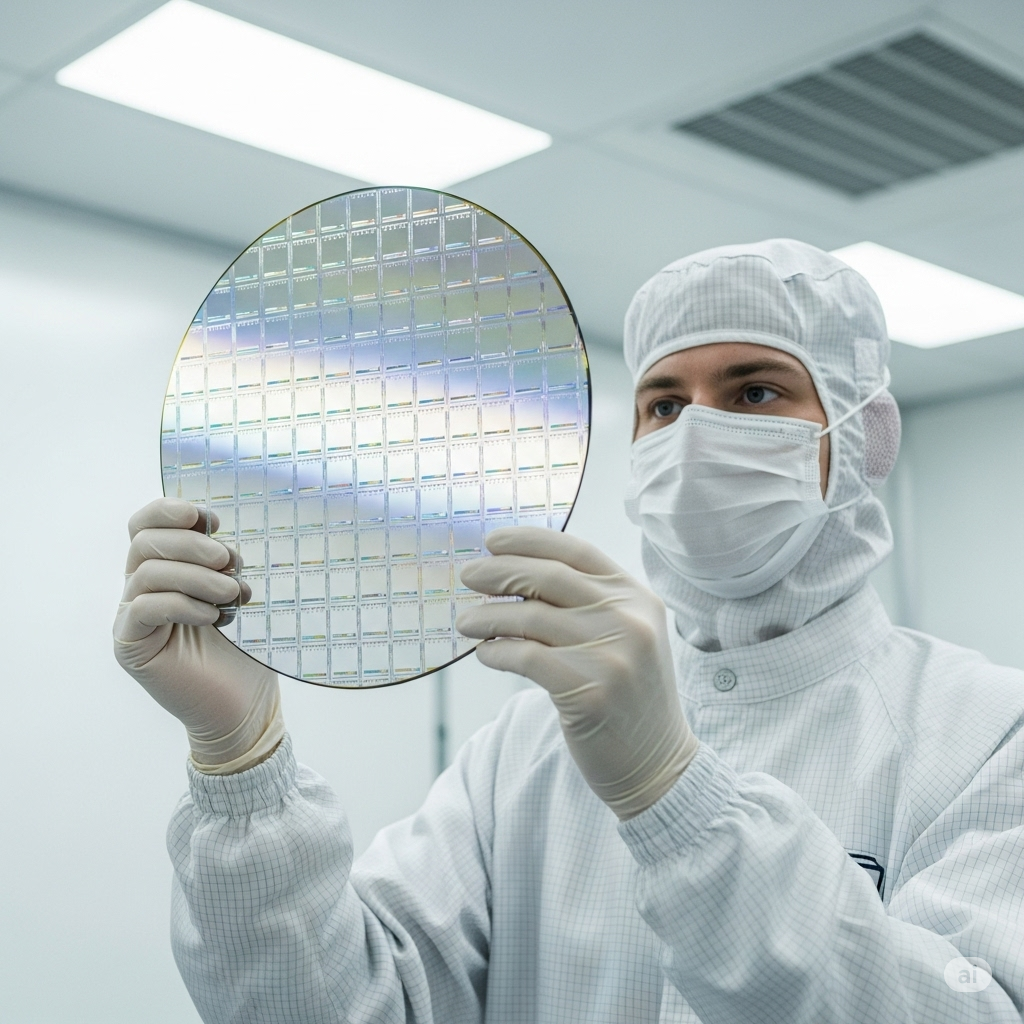
Behind this was a management philosophy prioritizing short-term profitability and a lack of bold investment for the future. Especially critical was Intel’s hesitation to adopt extreme ultraviolet (EUV) lithography equipment, essential for advanced processes. While TSMC and Samsung secured EUV technology with massive capital and surged ahead, Intel was held back by legacy technology.
Customers Turn Away: AMD’s Comeback and Apple’s Independence
Loss of technological leadership led to a collapse in market trust.
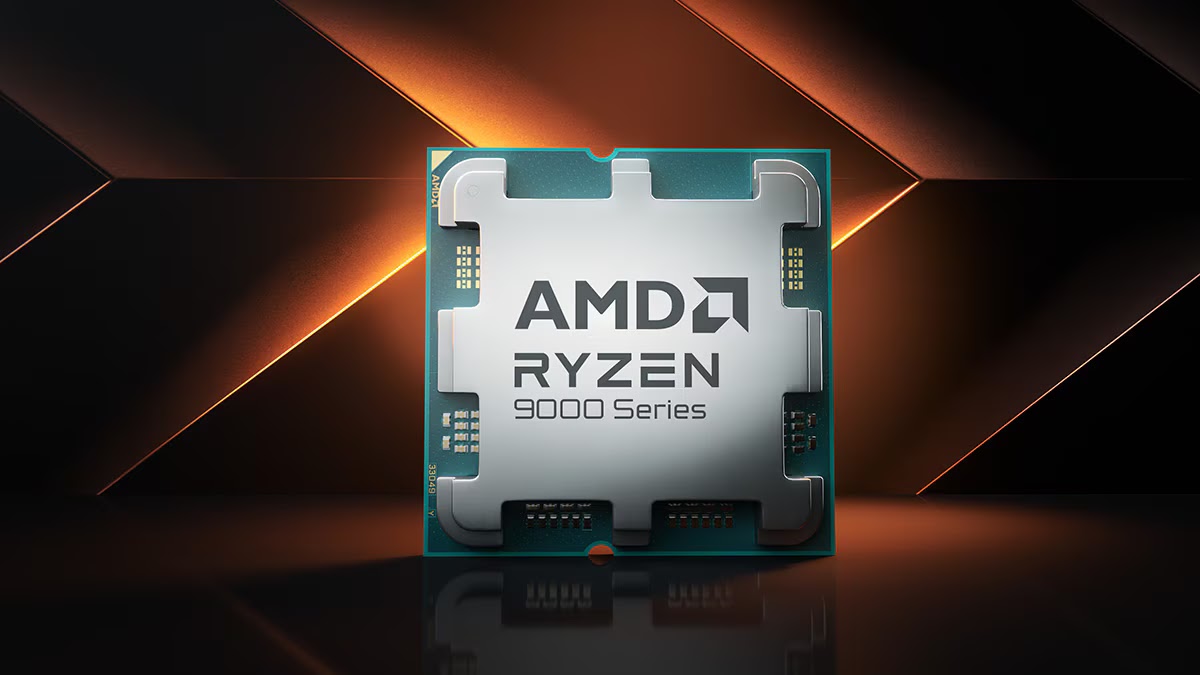
Long-time runner-up AMD made a spectacular comeback with its ‘Ryzen’ CPUs, backed by TSMC’s technology. Ryzen aggressively eroded Intel’s CPU market share, even surpassing Intel in some segments. In recent gaming performance tests, AMD Ryzen 7 9800X3D outperformed Intel i9-14900K by an average of 26%, breaking the formula of ‘Intel equals performance.’
Advertisement
An even bigger shock was the breakup with 15-year partner, Apple. Disappointed by Intel’s slow tech development, Apple fully transitioned to its self-designed ‘M1’ chip. This single decision cost Intel $2 billion in annual revenue and amounted to a public ‘vote of no confidence’ at the pinnacle of the tech ecosystem.
Chapter 2: Intel as a Bystander in the AI Revolution
The technological cracks quickly spread to other fronts. While struggling in the CPU market, Intel missed the massive AI revolution unfolding before its eyes.
Missing the Golden Age: NVIDIA and the CUDA Ecosystem
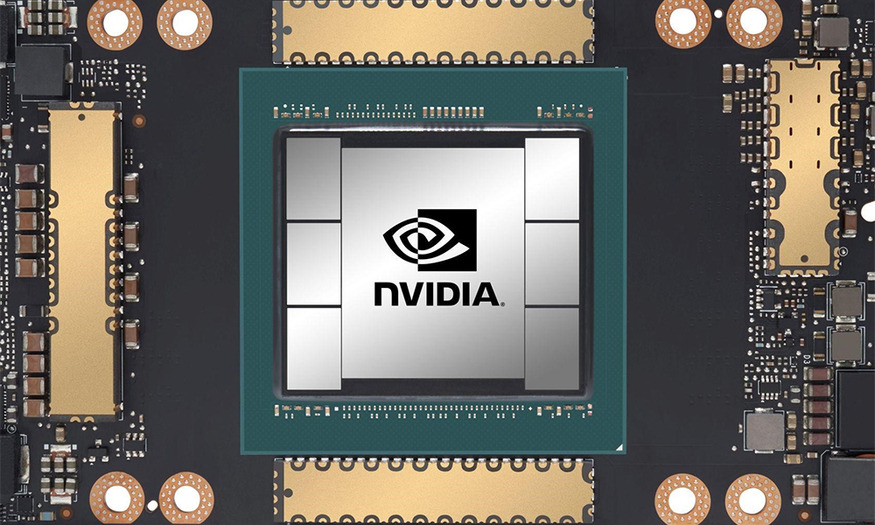
NVIDIA dominated over 80% of the data center chip market with AI-optimized GPUs, rising as the new ruler. Intel released the AI accelerator ‘Gaudi 3,’ but market response was lukewarm.
NVIDIA’s real strength was not hardware but its 20-year-old software platform ‘CUDA’. Used by 4 million developers worldwide, CUDA runs exclusively on NVIDIA GPUs, creating a powerful lock-in effect that developers find hard to leave. Intel fought with hardware, but NVIDIA had already won the war through its software ecosystem.
Financial Collapse and Painful Restructuring
Technical and strategic failures led to an unavoidable financial disaster. In Q3 2024, Intel posted its worst quarterly loss ever at $16.6 billion. The company was forced into painful restructuring, including laying off over 15,000 employees and selling assets.
Chapter 3: The Prodigal Son’s Gamble, Intel IDM 2.0
In despair, engineer-turned-CEO Pat Gelsinger returned to lead the empire. He announced a bold survival strategy, ‘IDM 2.0.’
IDM (Integrated Device Manufacturer) is Intel’s identity of handling everything from design to production in-house. IDM 2.0 maintains this identity but introduces a Copernican shift: using competitors like TSMC when necessary and opening Intel’s fabs to external clients to enter the foundry business.

Advertisement
To this end, Gelsinger announced an astronomical investment plan exceeding $100 billion in the US and Germany. However, funding issues caused delays, such as pushing the Ohio fab construction beyond 2030, causing early setbacks.
| Region/Location | Announced Investment | Main Goals and Status |
|---|---|---|
| Arizona, USA | Over $20 billion | Advanced process (2nm/1.8nm) production, construction ongoing |
| Ohio, USA | $28 billion | Aiming to be the world’s largest AI chip hub, severely delayed (post-2030) |
| Magdeburg, Germany | $17 billion | Building European manufacturing hub, planning and early stages |
| Europe-wide (10 years) | €80 billion | Goal to build a complete semiconductor ecosystem in Europe |
Chapter 4: Battles on Three Fronts and the Leader’s Departure
Gelsinger’s gamble led Intel into three battlefields: defending CPUs, conquering foundry, and AI. But all fronts proved challenging.
Foundry War: Intel Challenges the Giants
Despite aiming to be the No. 2 foundry by 2030, Intel’s market share in Q1 2025 is below 1.0%. It is far behind TSMC’s 67.6% and Samsung’s 7.7%. Intel hopes to gain technological advantage with its 1.8nm (18A) process, but Samsung and TSMC have already announced roadmaps for sub-1nm nodes.
The Unfinished Duel and the Captain’s Exit
Intel continues to struggle against AMD’s pursuit in the CPU market, with market share steadily declining. To make matters worse, CEO Pat Gelsinger abruptly announced his resignation in December 2024, plunging the future of the IDM 2.0 strategy into deep uncertainty.
Comparison: Giants of the Foundry Market
The foundry market Intel entered already has strong established competitors. Intel still has a long way to go in technology and market share.
| Company | Market Share (Q1 2025 Estimate) | Core Technology and Roadmap |
|---|---|---|
| TSMC | 67.6% | 3nm (FinFET), 2nm (GAA), announced 1.6nm |
| Samsung | 7.7% | 3nm (GAA), 2nm (SF2Z) planned for 2027 |
| Intel (IFS) | < 1.0% | 1.8nm (18A) planned for 2024/2025 |
Conclusion
Intel’s story shows how a small crack born from technological arrogance grew into a crisis shaking the entire empire. Now, Intel stands at a crossroads between the most dramatic corporate revival and the most spectacular fall of an empire in history.
Key Summary:
- Loss of technological leadership: Failure of the 7nm process was the starting point of all crises.
- Strategic oversight: Allowed AMD’s resurgence and missed the massive AI wave.
- Uncertain future: The bold IDM 2.0 plan drifts amid the sudden departure of its leader.
The giant’s battle is far from over. Can Intel overcome all adversity and strike back once again?
References
- Samsung’s Future? Why Did Once-Thriving Intel Fall So Far? Daum
- ‘Management Troubles’ Intel Delays Ohio Factory Completion to 2030 Again The Korea Times
- Intel Delays US Ohio Semiconductor Factory Completion Beyond 2030 Global Economic
- Intel’s Crisis and Response: From Foundry Spin-off to Business Sales Guguuu
- Intel’s Crisis and AI Era Response Goover
- AMD Surpasses Intel with Strong Growth in Domestic DIY Market Apple Economy
- AMD Chasing Intel… Narrowing CPU Market Share Global Economic
- The Real Reason Behind Apple-Intel Breakup Bloter
- NVIDIA’s Ecosystem Domination and Big Tech’s AI Chip Independence Digital Daily
- US, EU, China Block NVIDIA’s AI Ecosystem… South Korea Also Watching JoongAng Ilbo
- Intel’s Risky $123 Trillion Money Game in Foundry ZDNet Korea
- Intel Announces ‘IDM 2.0’ Strategy to Lead Manufacturing, Innovation, and Product Leadership! CAD & Graphics
- Intel Transformed Two Years After Gelsinger’s Appointment, ‘IDM 2.0’ Blueprint Realized Chosun Biz
- Intel Foundry Namu Wiki
- Intel’s 18A Process Technology is the ‘Last Bastion’; Failure Could Lead to Foundry Sale Business Post
- Latecomers Chasing TSMC with Different Dreams… Intel Focuses on ‘Tech Superiority,’ Samsung on ‘Solid Foundations’ CEO Score Daily
- Samsung Electronics to Reveal Foundry Strategy… Watch for 1nm Process Roadmap Yonhap News