
The Ghost That Rules Your Morning
How did you start your day this morning? You probably brushed your teeth with a plastic toothbrush and wore clothes made of synthetic fibers. Maybe you drove a car on asphalt and enjoyed a cup of coffee in a plastic cup.
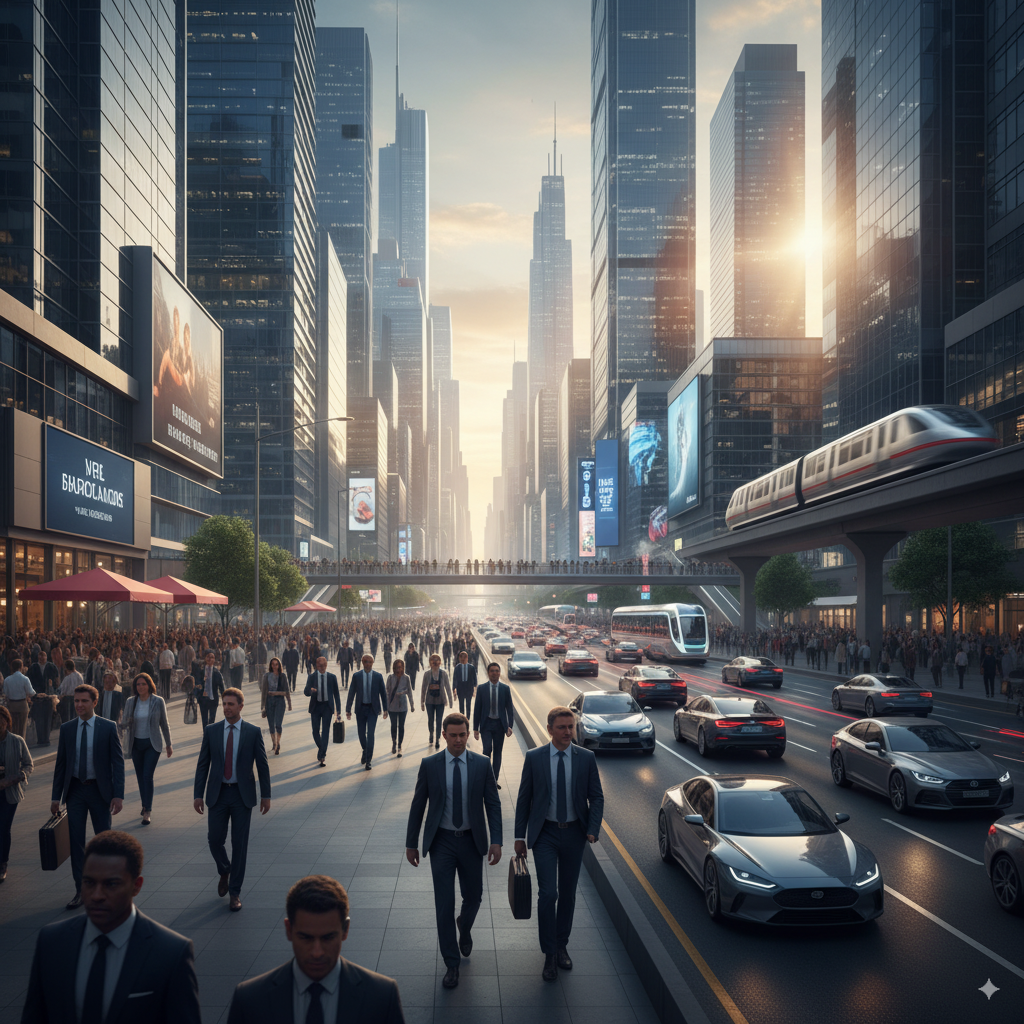
Have you noticed that our entire daily life, indeed this whole civilization, is actually in the grip of a black, sticky liquid—the ghost called ‘oil’? We tend to think of oil merely as fuel for cars, but that is just the tip of a massive iceberg.
The past 150 years have been a bloody struggle to control oil, and the prosperity we enjoy was a mirage built on oil. Oil was the rice that grew industry, the blood that led wars, and the black pillar supporting the sole empire of the world, the United States.
Let’s trace the flow of money and power along oil fields and pipelines, and look into the human greed and shadows of civilization hidden behind the cold data. This story begins where these two perspectives meet. How the oil once called ‘devil’s tears’ became ‘black gold’ that ruled the world, and now, at the threshold of ‘Zero Barrel’, humanity faces a grand exploration of what fate awaits us as we try to end that golden age ourselves.
This is not simply a story about changing energy. It is a story of shifting power, restructured wealth, and the end of the world as we knew it. Now, it is time to face the true face of that familiar ghost ruling your daily life.
Chapter 1: Birth of the Octopus – Rockefeller and the Woman Who Opposed Him
In 1872, a harsh winter covered Pennsylvania’s Oil Creek Valley. Fourteen-year-old Ida Tarbell watched helplessly as her father’s small refinery shut down. Her father was despairing, and a partner ended his life with a pistol. It was not the bitter cold that destroyed their lives, but a giant octopus named ‘Standard Oil’ from Cleveland.
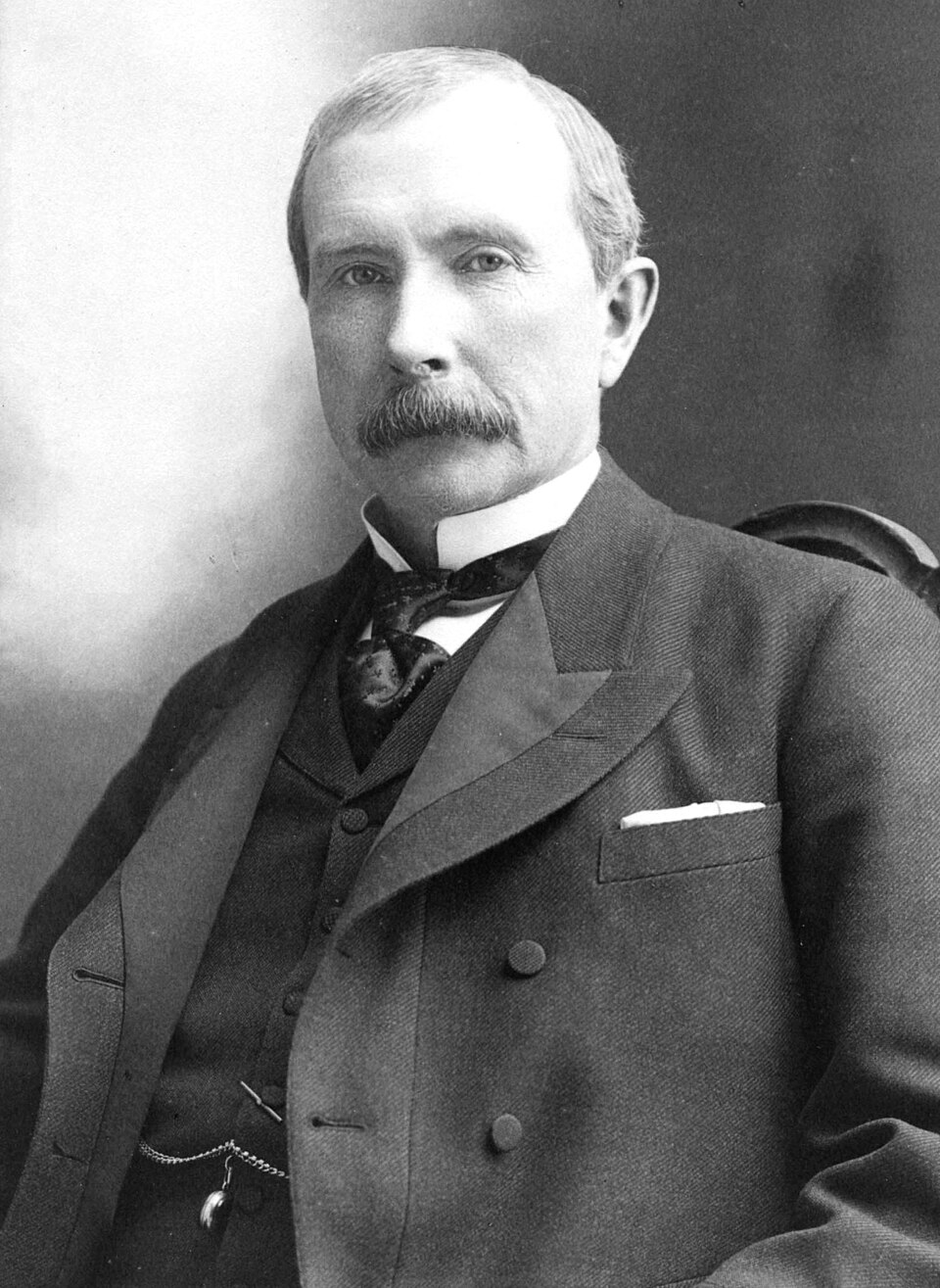
The head of this octopus was the ruthless businessman, John D. Rockefeller. He had no interest in the dirty work of extracting oil. Instead, he saw that whoever controlled the ‘flow’ of oil—refining, transporting, and selling—would have everything. He secretly partnered with railroad companies to secure transportation costs far cheaper than competitors. Then he whispered to other refineries, “Either hand over your company to us, or wither away.”
Those who resisted, like Ida’s father, were mercilessly crushed. In just six weeks, known as the ‘Cleveland Massacre,’ 22 of 26 competitors fell into Rockefeller’s grasp. By controlling the ‘arteries’ through which oil flowed, not the oil itself, he became the first oil emperor.
Advertisement
When everyone talked about the end of oil as the era of kerosene faded, Karl Benz in Germany invented the internal combustion engine powered by oil—the automobile. Gasoline, once discarded, became the heart of a new era. Rockefeller’s empire thus gained new wings.
Years later, Ida Tarbell, who never forgot the octopus that ruined her father, became the era’s top investigative journalist. From 1902, over two years, she exposed the ugly secrets of Rockefeller’s empire in 19 articles. Her writings shook American society, and in 1911, the Supreme Court ordered Standard Oil to be broken into 34 companies.

A girl’s revenge became David’s slingshot to topple a giant monster. But the octopus did not die. It survived by changing names to Exxon, Mobil, Chevron, and others. The oil era was just beginning its prologue.
Chapter 2: The Bloody Pact – ‘Mr. 5%’ and the Birth of the Middle East
Oil moved beyond a business battlefield to the heart of real wars. Amid World War I’s bombardment, British Navy Minister Winston Churchill gambled by switching the fleet’s fuel from coal to oil. The gamble paid off, but Britain revealed a fatal weakness: no oil was found on its soil. “Victory floated on waves of oil,” and oil became a strategic asset controlling a nation’s fate.
After the war, the victors turned to the ruins of the Ottoman Empire—the Middle East. Here began secret deals that birthed modern Middle East tragedies. At the center was an enigmatic Armenian businessman, Calouste Gulbenkian. He belonged to no country but shared secrets with all powers.
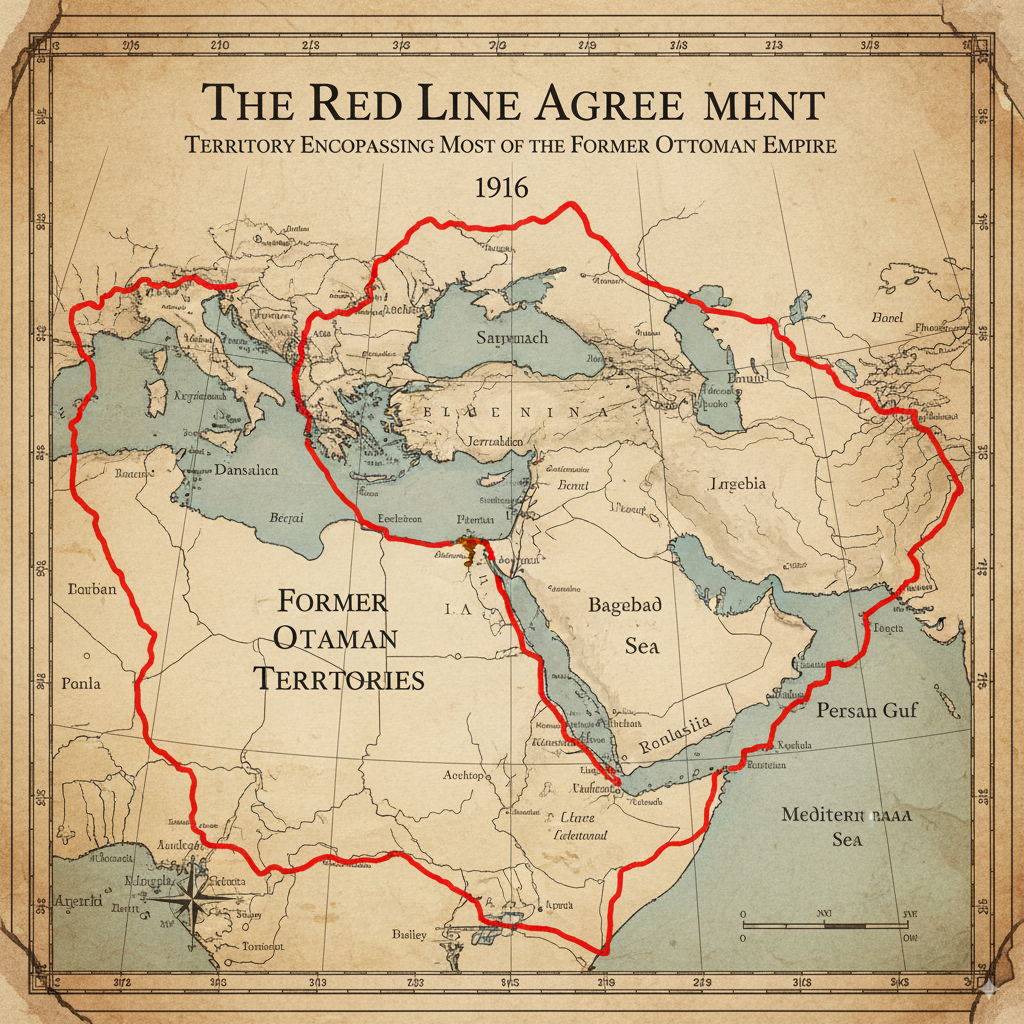
In 1928, he gathered major oil companies from Britain, France, and the U.S. around a table and drew a red line on the map. It surrounded most of the former Ottoman Empire. He declared, “Within this ‘Red Line’, no one can develop oil alone without all our consent.”
The Middle East’s borders were arbitrarily drawn along this red line, ignoring ethnicity or religion. Gulbenkian brokered this massive cartel and took 5% of all oil from the region as his share. Known as ‘Mr. 5%’, he amassed great wealth, and his red pen planted the seeds of ongoing Middle East conflicts.
World War II further solidified this bloody pact. The U.S., with more oil, ultimately won the war. Baptized in blood, oil ascended to the throne of the ‘black god’ deciding nations’ fates, with its altar built in the Middle East.
Advertisement
Chapter 3: The Empire’s Gamble – Kissinger and the Birth of Petrodollars
After the war, the U.S. rose as the world’s strongest power. Its strength was the dollar fixed to gold—the Bretton Woods system. But after printing dollars recklessly during the long Vietnam War, the U.S. treasury was depleted.
On August 15, 1971, President Nixon appeared on TV and announced the severing of the gold-dollar link. The ‘Nixon Shock.’ Without the solid anchor of gold, the dollar faced collapse, and U.S. hegemony wavered like a sandcastle.
At that moment, Secretary of State Henry Kissinger planned history’s boldest gamble. In 1974, he secretly flew to Saudi Arabia to meet King Faisal. Kissinger made an offer that could not be refused.
“The U.S. will protect the Saudi royal family’s security with ironclad assurance. In return, all future oil transactions must be settled only in U.S. dollars through OPEC.”
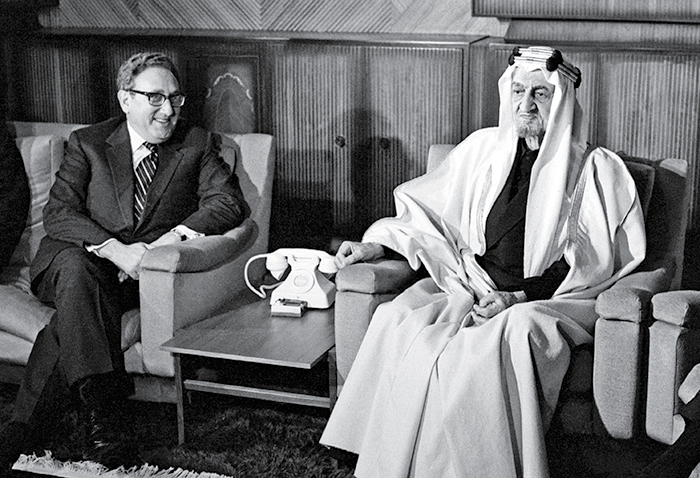
This was the birth of the ‘Petrodollar’ system. Now, the dollar was tied not to gold but to the world’s most important commodity—oil. To buy oil, dollars were essential, and the massive oil money earned by producing countries flowed back into the U.S., fueling its economy. The U.S. could buy global wealth simply by printing paper.
America’s real power was not aircraft carriers or nuclear weapons but this petrodollar system. Think about the fate of Saddam Hussein or Muammar Gaddafi when they tried to receive oil payments in other currencies. Kissinger’s gamble was a huge success, and oil became the black blood flowing through the empire’s arteries.
Chapter 4: Flames of Revolution – The Oil Shock and the ‘Billionaires of Tehran’
Even the seemingly eternal empire began to crack. In 1973, Arab oil-producing countries used oil as a weapon in the ‘Oil Shock’, attacking the West. Oil prices quadrupled, and the global economy stalled. This event made oil producers realize the power of their weapon.
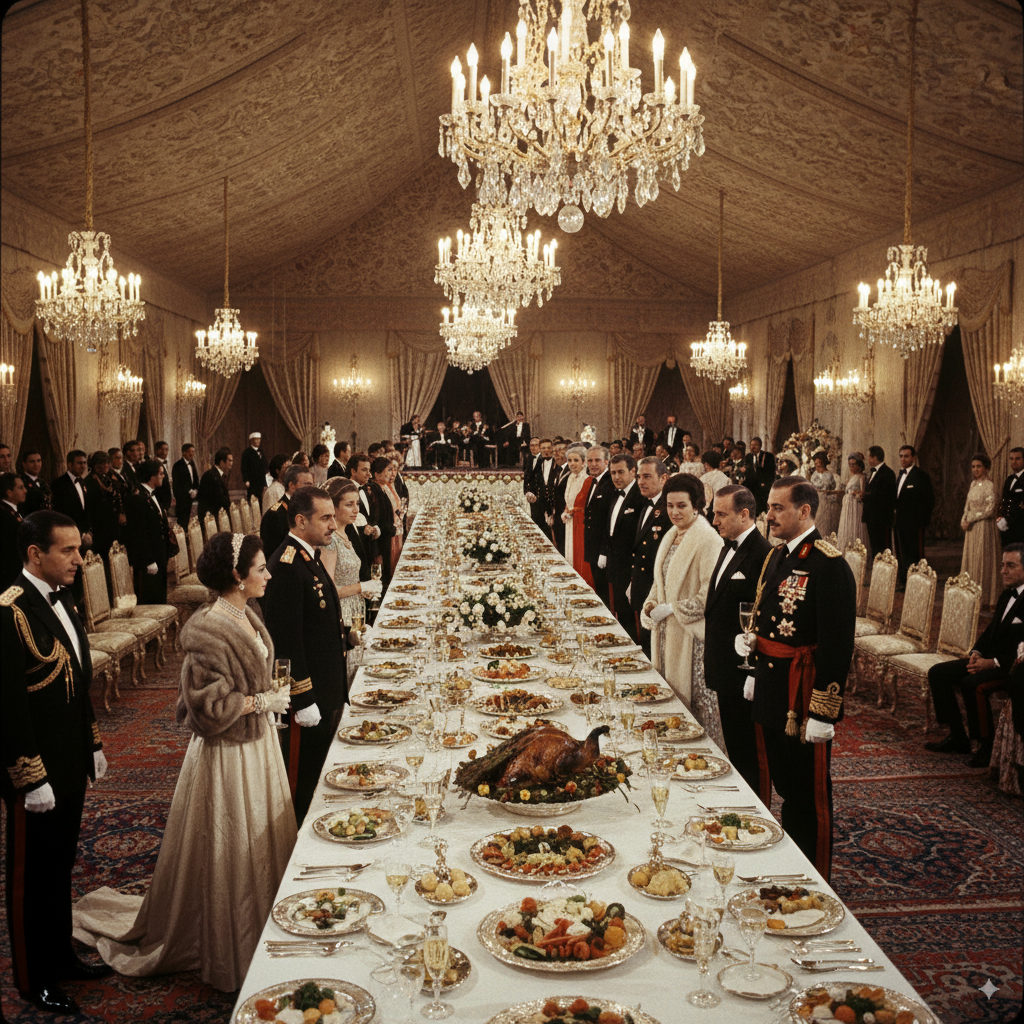
One of the biggest beneficiaries was Iran. At the time, Shah Pahlavi was a loyal U.S. ally. Overnight, he became a billionaire, buying the latest American weapons and styling himself as the ‘policeman of the Middle East.’ Tehran became the ‘Paris of the Middle East,’ overflowing with luxury and indulgence.
Advertisement
But beneath the glittering lights, shadows deepened. The corrupt feasts of the Shah and his cronies angered the poor masses, and religious leaders, valuing tradition, fiercely opposed Westernization policies. The overflowing oil dollars actually divided society and fueled revolutionary flames.
In 1979, the Islamic Revolution toppled the Pahlavi dynasty. The humiliating seizure of the U.S. embassy in Tehran followed, and America lost its most important Middle East ally. The fall of the ‘Billionaires of Tehran’ symbolized how fragile peace built on oil was. The empire tried to control oil, but the greed-fueled flames of oil dragged the empire into an endless quagmire.
Chapter 5: Earth and Sky Strike Back – The Shale Revolution and Climate Warning
In the 21st century, two massive waves shook the oil hegemony. One started deep underground, the other high in the sky.
The first wave was raised by a stubborn oilman named George Mitchell. To extract oil and gas trapped in shale rock layers, abandoned by all, he invested hundreds of millions over 20 years. Amid ridicule as a “madman,” he succeeded in fracturing rock with hydraulic pressure to release gas.
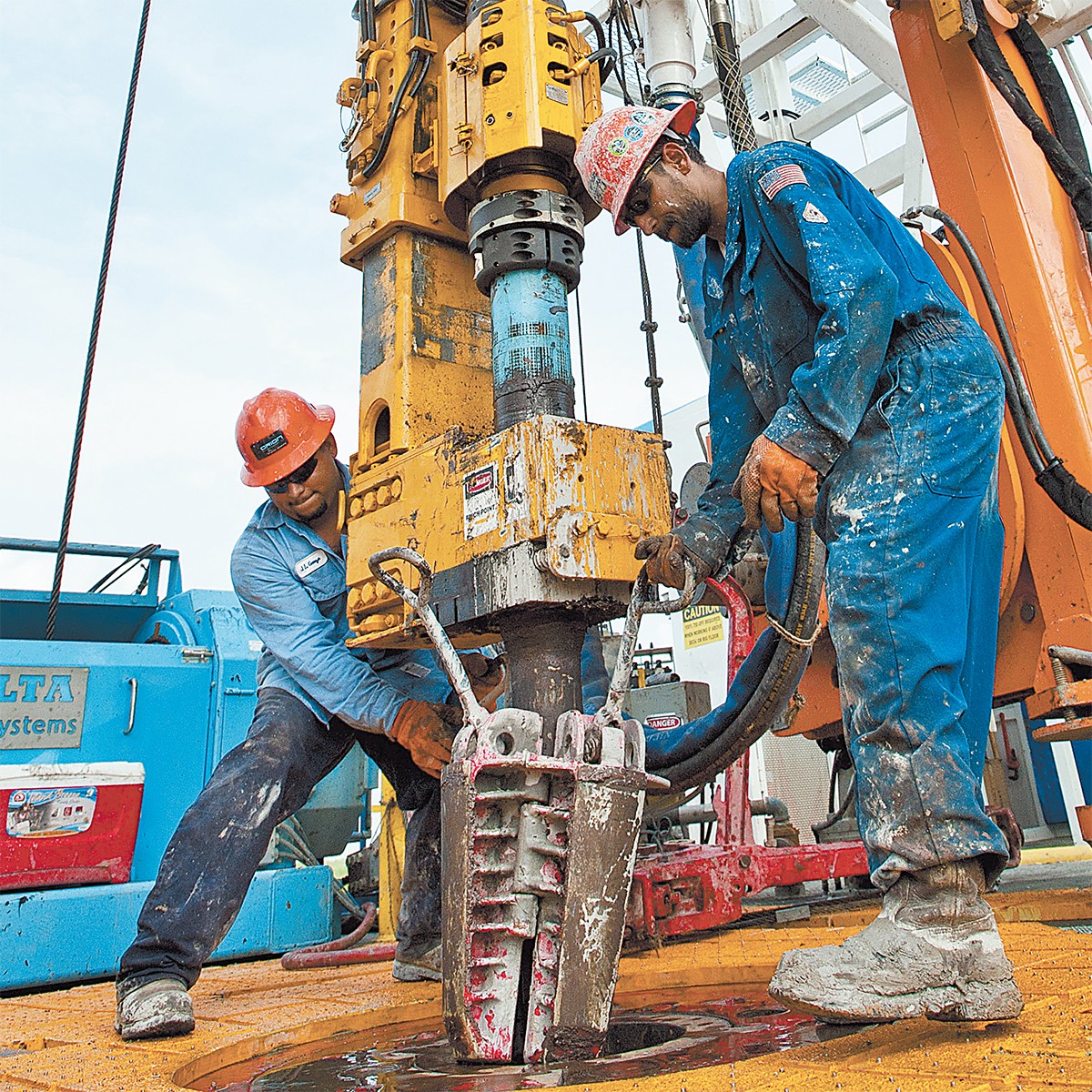
Thanks to this ‘Shale Revolution’, the U.S. surpassed Saudi Arabia and Russia to become the world’s top oil producer. No longer dependent on Middle Eastern oil, the U.S. began stepping back from its role as the ‘world’s policeman,’ ironically shaking the existing order.
The second wave was more fundamental. In 1988, NASA scientist James Hansen testified before the U.S. Congress, “Global warming has begun.” His decades-ignored warnings became reality in severe droughts, floods, and melting glaciers. The bill for the oil era’s disasters had arrived.

The 2015 Paris Climate Agreement marked humanity’s first official consensus on ‘post-oil’ transition. Tesla’s electric cars took over roads, and wind turbines and solar panels began replacing oil fields. ‘Zero Barrel’ was no longer a distant dream but an unavoidable reality. The oil era faced its most dazzling moment alongside its most fundamental threat.
Chapter 6: Vacuum of Power – Twilight of Old Gods and New Battlefields
The strikes from earth and sky shook the altar worshipping the black god called oil to its roots. As the god lost power, a huge vacuum formed in the order he ruled. The world now stands between the twilight of old gods and the dawn of new ones yet to appear.
Advertisement
Saudi Crown Prince Mohammed bin Salman was among the first to read the wave of ‘Zero Barrel’ and prepare for the end of the oil era. But the process is not smooth. Meanwhile, challengers like Russia and China have begun directly targeting the heart of the petrodollar system, ironclad for 50 years. Attempts to settle oil in yuan continue.
Amid these changes, U.S. focus has shifted from the Middle East to the Indo-Pacific region to counter China. The battlefield itself is changing. If 20th-century wars were fought over Middle Eastern oil fields, the new 21st-century battlefields are:
- South America’s ‘Lithium Triangle’: An invisible battleground between the U.S. and China for lithium, key to electric vehicle batteries.
- Taiwan’s Semiconductor Factories: TSMC produces 90% of the world’s most advanced semiconductors, becoming the most dangerous powder keg for future industrial dominance.
- Deep-Sea Data Cables: Undersea cables connecting the global internet are the hidden arteries of the digital age. Cutting them would paralyze modern civilization.
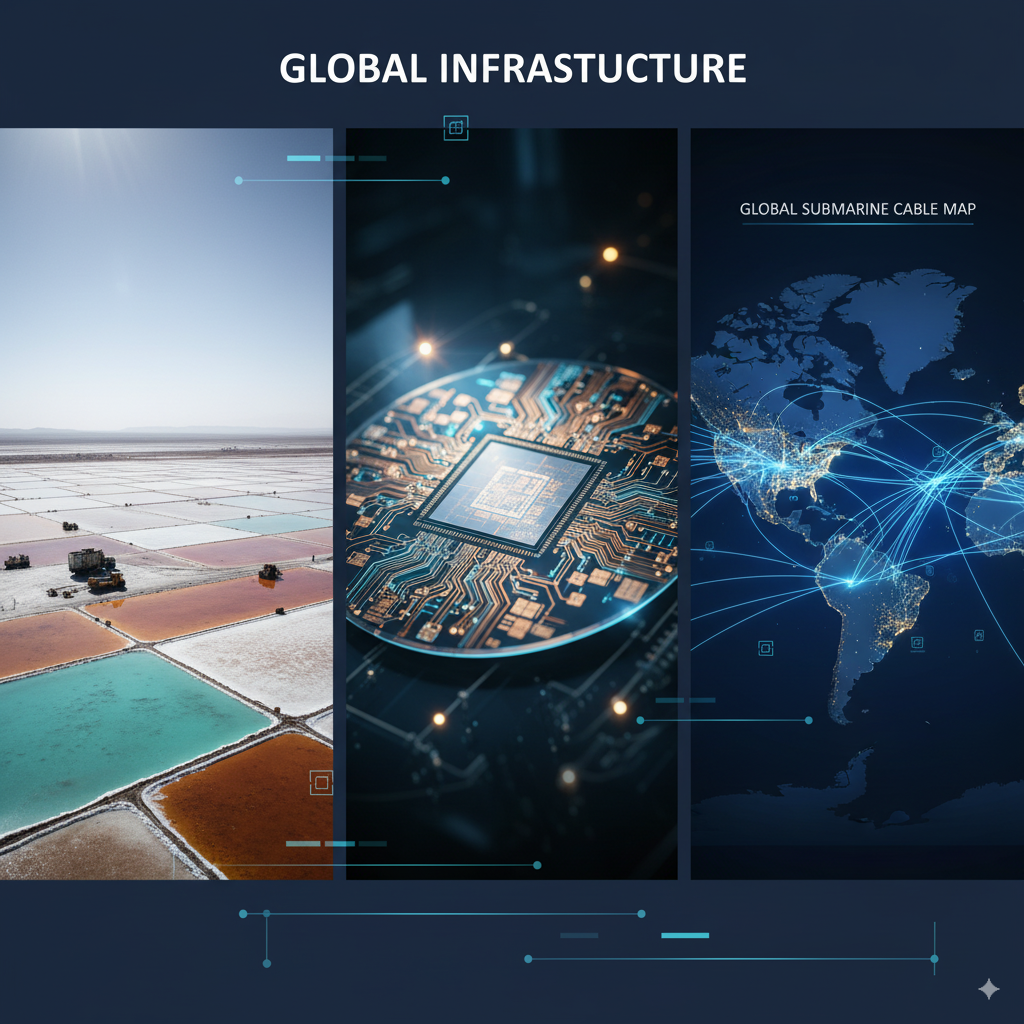
The departure of old gods quietly triggers massive tectonic shifts, opening the prologue to a new era governed by entirely different rules.
Chapter 7: Empire of Technology and Blood Minerals – The Overture to a New War
The end of the oil era is not a peaceful retirement. A new war to seize the throne vacated by the fallen old god has already begun.
21st-century wars are not about conquering territory with tanks but about conquering invisible territory called ’technology standards.’ China’s dominance of the global electric vehicle and battery markets is not just to sell more cars. It aims to control the ‘operating system (OS)’ of future mobility and turn everyone into technological colonies. This is the reality of ’technological imperialism.’
But this invisible empire must also be transfused with physical ‘blood.’ The new blood of the empire is the critical minerals called ‘white oil.’ These include lithium, nickel, and cobalt essential for electric vehicle batteries.
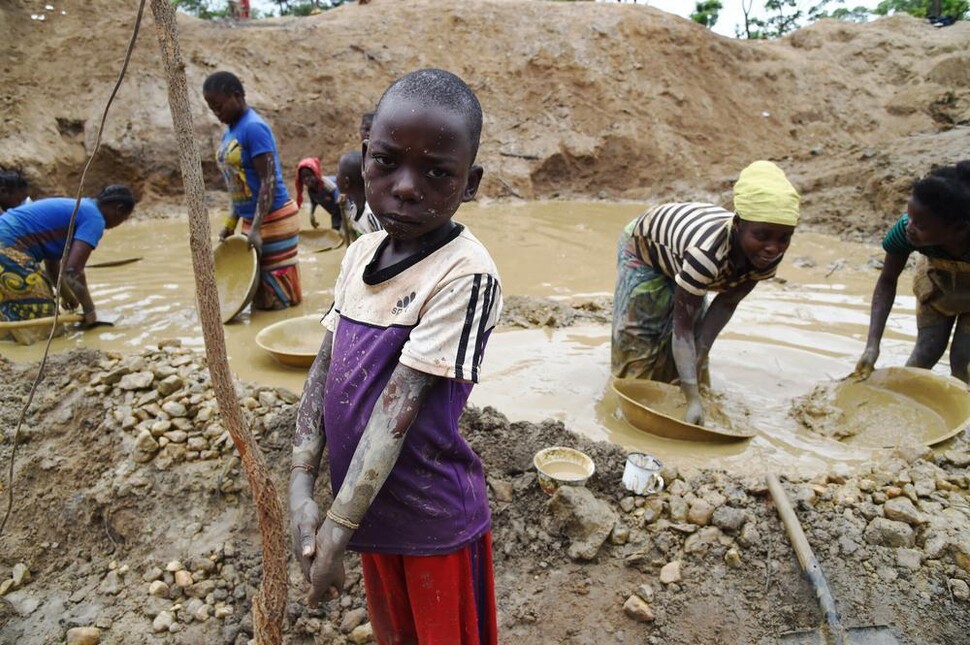
At the tragic heart lies the Democratic Republic of Congo, producing 70% of the world’s cobalt. While engineers in California design a ‘clean future,’ Congolese children dig for ‘blood minerals’ with bare hands in collapsing dirt pits, earning one dollar a day. China controls over 80% of this brutal supply chain.
Late to realize the crisis, the U.S. and the West desperately resist by calling for ‘supply chain restructuring.’ Ultimately, the essence of the new war is this: who will control the brain called ’technology standards’ and the heart called ‘critical minerals’? The end of the oil era brings not utopia but a new era of war that may be more cunning, complex, and brutal.
Advertisement
At the End of the Black Myth, What Will We Choose?
We are witnessing the funeral of the black god, oil, which has ruled humanity for 150 years. It bestowed blessings of abundance and speed, but its price was a curse of tears and sacrifice.
‘Zero Barrel’ is an unavoidable future. But the path will not be smooth. The coming era’s wars will be ‘quiet wars’ over technology and supply chains.
In this great transition, our choices determine the future. Will we repeat the era where certain countries monopolize new energy and wield hegemony? Or will we build a sustainable and fair system together in the face of humanity’s common crisis?
Think again about your morning. Each small act—choosing a bamboo toothbrush instead of plastic, taking public transport instead of an internal combustion car—can be a vote deciding the direction of this great transition.
The last page of the black myth called oil is still blank. Writing its ending is the responsibility of all of us living in this era.