
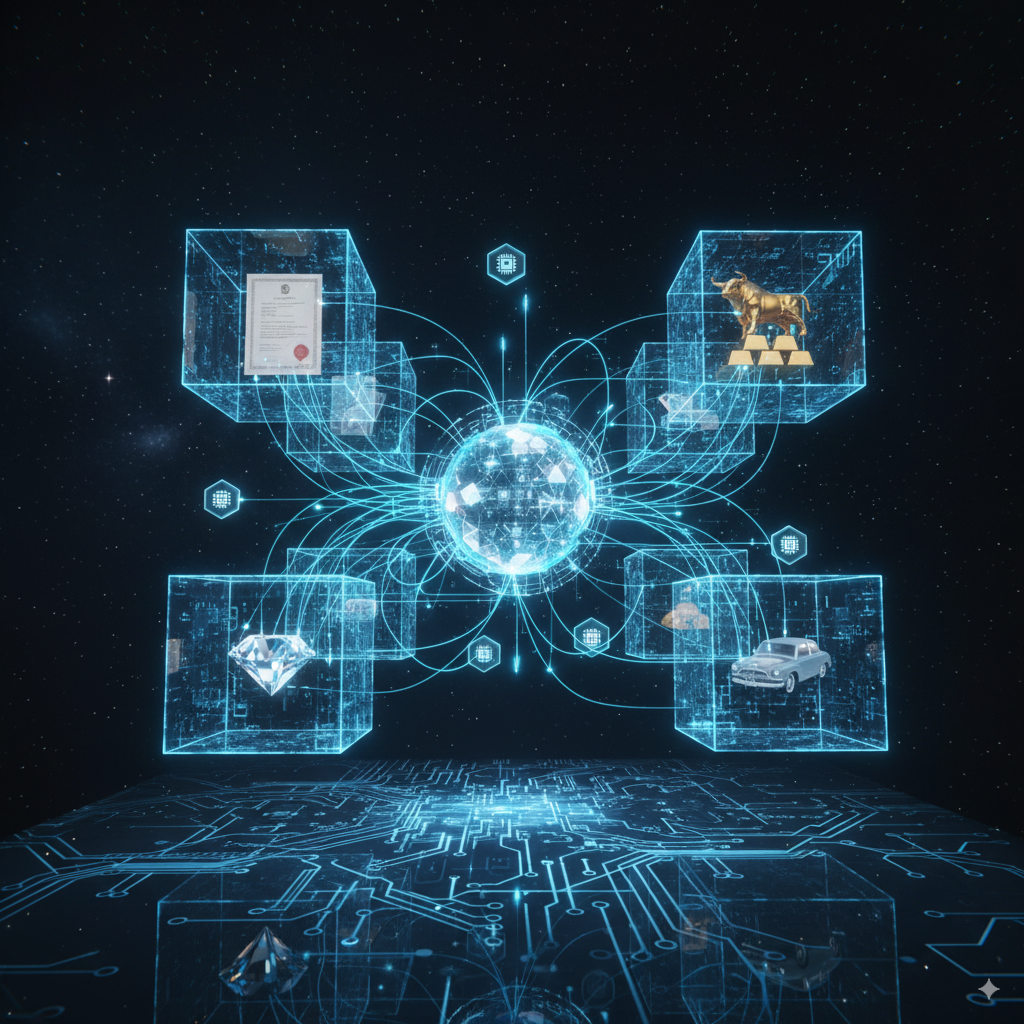
What if an era comes when you can buy and sell everything in the world? And for the price of a cup of coffee? It may sound like science fiction, but the technology called ‘Tokenization’ is already making this imagination a reality. The rules of finance as we know them, or rather the very concept of ‘ownership,’ are being shaken to their roots by a massive revolution quietly unfolding at this very moment.
This article is a friendly guide on how tokenization is opening a new era of wealth—from your local café to the giants of Wall Street.
Part 1: The Great Idea – Turning Everything into ‘Value’
When you hear ’token,’ you might immediately think of Bitcoin, but that is just the tip of the iceberg. Tokens are ‘digital certificates’ recorded on blockchain technology representing specific assets or rights in the digital world. These certificates can be broadly divided into three types depending on their purpose.
The True Certificate of ‘Ownership’: Security Tokens
The main focus here. These tokens represent ‘ownership’ of real-world assets (RWA) like real estate or stocks. Holding these tokens entitles you to income such as rent or dividends, or capital gains from asset appreciation. Because they represent real ‘investment,’ they operate under strict government financial regulations.
Special Certificate of ‘Usage Rights’: Utility Tokens
These are closer to ‘digital coupons’ that allow access to specific services or platforms. Think of game money used only within a particular game or service fees. These tokens are aimed at usability rather than profit.
The One and Only ‘Original’ Certificate: NFTs (Non-Fungible Tokens)
Tokens that prove the uniqueness of a ‘one-of-a-kind original.’ Unlike security tokens, which all hold the same value, each NFT has a unique value. They are used to prove ownership of digital artworks or limited-edition collectibles.

So, what exactly is ’tokenization’?
Simply put, tokenization is the entire process of converting rights to real-world assets (RWA) such as real estate, artworks, or stocks into digital tokens using blockchain technology. This magic transfers all economically valuable assets, including intangible ones like music copyrights, into the digital world.
These tokens act as ‘digital title deeds’ for the assets. For example, if a 10 billion KRW building is issued as 1 million tokens, each token represents a 1/1,000,000 share of ownership. This certificate is recorded on an immutable public ledger, the blockchain, making it transparently accessible to everyone.
Advertisement
Part 2: The Three Superpowers of Tokenization – Why It Changes the World
Why bother converting real assets into complex digital tokens? Tokenization has three powerful ‘superpowers’ that solve problems traditional finance could not.
① Asset Fractionalization: Democratizing Investment
Commercial buildings in Seoul or Picasso paintings were once exclusive to wealthy investors. Tokenization ‘splits’ these expensive assets into very small units, like slices of pizza. For example, a 3 billion KRW apartment divided into 1 million tokens means each token costs 3,000 KRW. Now, you can own a ‘digital brick’ of a Gangnam apartment for the price of a coffee and receive a share of the rental income—a true democratization of investment.
② Creating Liquidity: Awakening Dormant Capital
Real estate and artworks are illiquid assets that are hard to convert to cash quickly. Tokenization transforms these dormant assets into highly liquid assets that can be traded 24/7 like stocks. This frees up massive locked capital, injecting new vitality into the entire economy.
③ Efficiency and Transparency: Reducing Trust Costs
Traditional asset transactions require many intermediaries like lawyers and banks, causing high costs and delays. Tokenization replaces these roles with smart contracts—automated contracts coded with rules such as “If rent is received, automatically distribute dividends to token holders at month-end.” Everything executes transparently, cheaply, and accurately without human intervention.
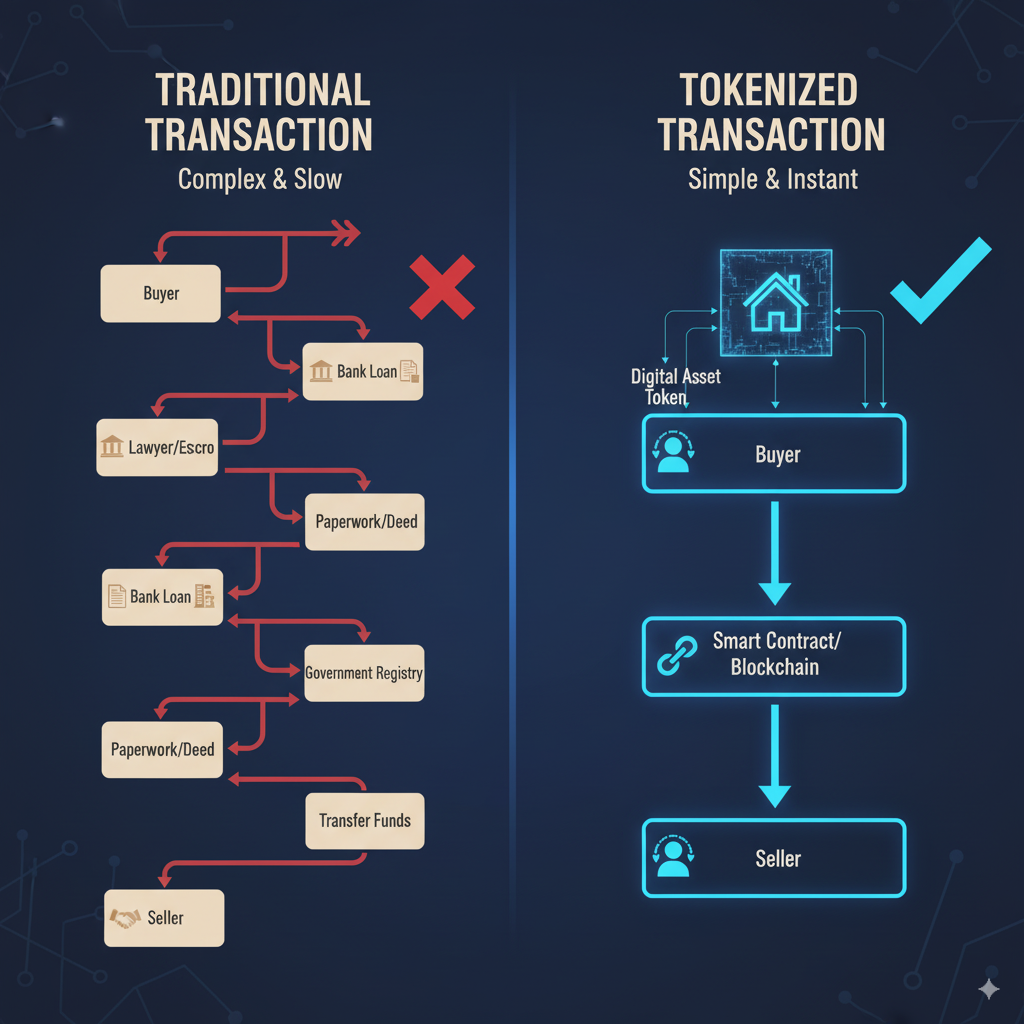
Part 3: Imagination Becoming Reality – How Far Has Tokenization Come?
Enough theory. Let’s look at real-life cases showing how tokenization is already changing our lives.
Case 1: Becoming a Co-owner of ‘Yeoksam Londonville’ for 5,000 KRW
The clearest example of tokenization’s power is real estate fractional investment. The domestic platform ‘Kasa’ successfully crowdfunded the ‘Yeoksam Londonville’ building in Seoul’s prime business district. Thousands of investors became co-owners with just 5,000 KRW each. They received quarterly rental income dividends and shared capital gains when the building was sold at a higher price. This is real investment with actual money flowing into your hands.
Case 2: Investing in the Success of Brave Girls’ ‘Rollin’’
Tokenization extends to intangible assets like music copyrights. ‘Music K-Cow’ sells rights to receive royalties for specific songs in shares. Investors become shareholders of hit songs like Brave Girls’ ‘Rollin’’ and receive monthly royalty income whenever the song is played. This offers a new experience of becoming an investment partner sharing in the artist’s success and profits.
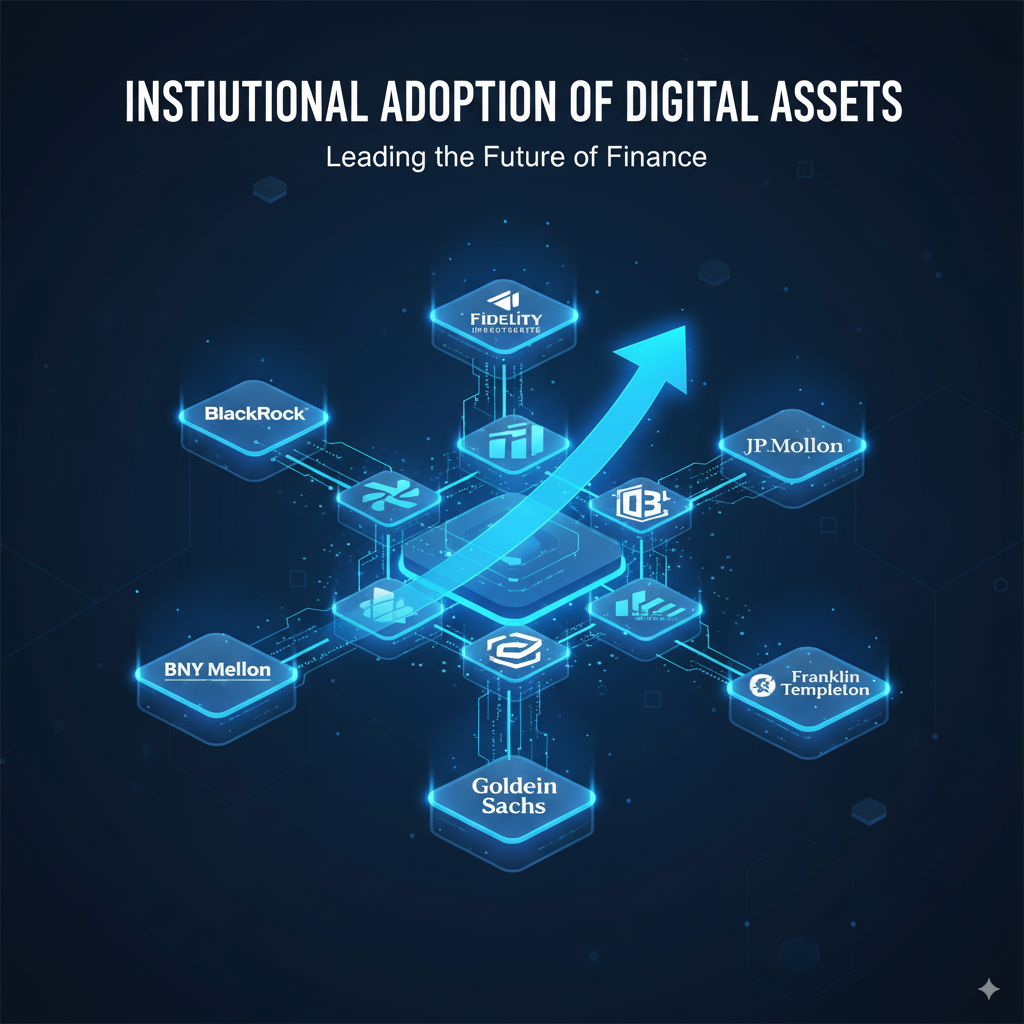
Case 3: Giants Enter the Field – BlackRock and Wall Street’s Choice
The strongest signal that tokenization is no longer just an experiment by innovators is the full-scale entry of Wall Street’s giants.
Advertisement
The world’s largest asset manager, BlackRock, declared “In the future, all stocks and bonds will be tokenized” and launched the US Treasury fund ‘BUIDL’ on the Ethereum network. They brought the core financial asset, US Treasuries, directly into the blockchain world. This is the first step toward a grand vision to maximize trading efficiency and transparency.
Part 4: Challenges Ahead and a Great Vision
Of course, the future of RWA tokenization is not all rosy. There are many hurdles to overcome, including legal uncertainties, technical risks, and low liquidity in early markets.
Despite these challenges, the future tokenization envisions goes beyond just adding another financial product. Global consulting firm BCG predicts the RWA market size will reach $16 trillion (about 20 quadrillion KRW) by 2030.
| Category | Traditional Securities | Security Tokens |
|---|---|---|
| Trading Hours | Limited (Weekdays 09:00–15:30) | 24/7/365 |
| Settlement Completion | T+2 days (Settlement risk exists) | Instant within minutes (Real-time settlement) |
| Ownership Unit | Share units (Limited fractional ownership) | Infinite fractionalization to decimal points |
| Transparency | Limited (Information available post-trade) | High (All trades shared in real time) |
This comparison points clearly to the future. Security tokens promise a faster, cheaper, more transparent, and more accessible financial system.
The Dawn of the ‘Internet of Value’ Era
The ultimate vision of tokenization is the ’liquefaction of the global economy.’ It melts vast capital locked in illiquid assets worldwide and sets it free to flow.
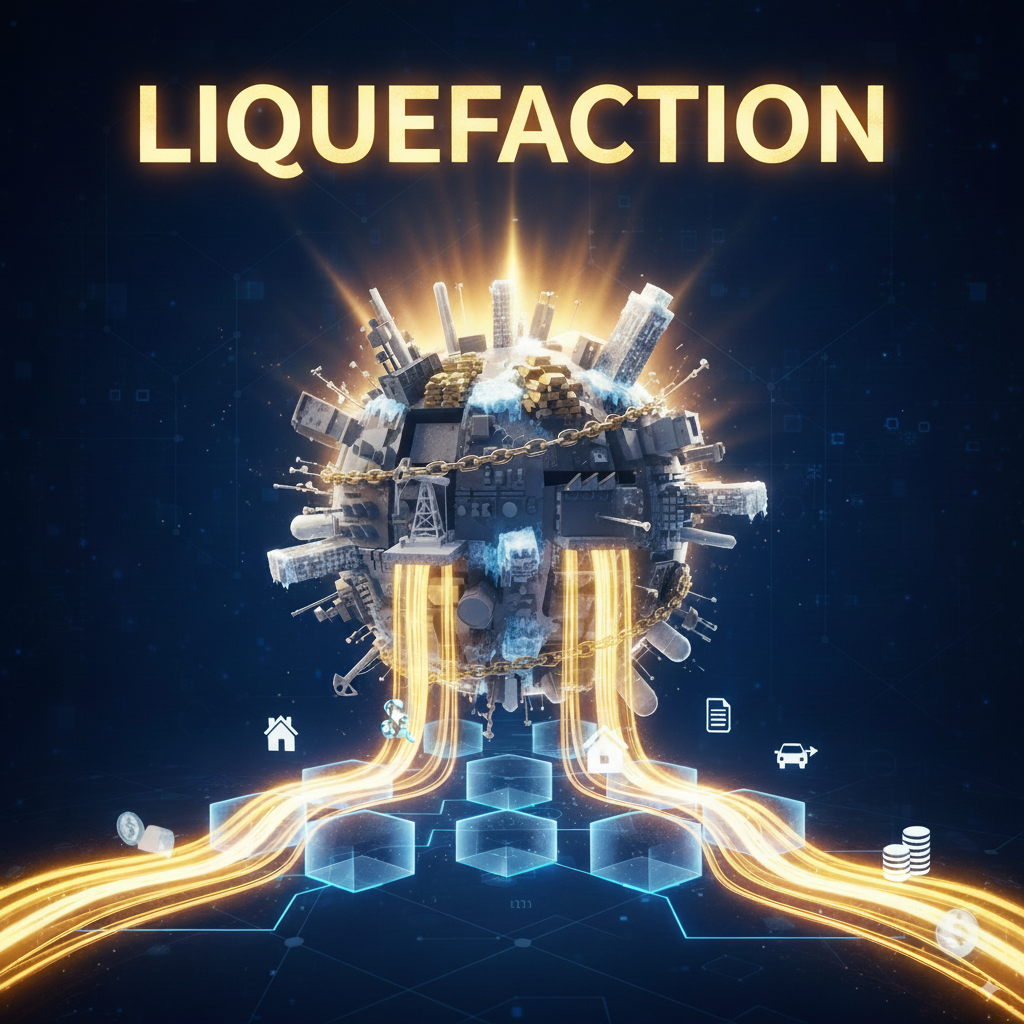
If the internet revolutionized how information (text, images) is exchanged over the past 30 years, blockchain and tokenization are now revolutionizing how assets and ownership—that is, ‘value’—are exchanged.
We are not just witnessing the emergence of new financial technology. We are observing the historic construction of the long-missing core infrastructure of the digital age: the ‘Internet of Value.’ The paradigm shift where a piece of a building or music royalty can be sent as easily and securely as a KakaoTalk message is right before our eyes.
References
- Korea Capital Market Institute, ‘Issue Report 23-14: Success Conditions and Market Activation Tasks for Security Tokens’
- Boston Consulting Group (BCG), ‘Relevance of On-Chain Asset Tokenization in ‘Crypto Winter’’
- Financial Services Commission Press Release, ‘Regulatory Framework for Issuance and Distribution of Security Tokens’